Creative Ways to Add Protein to a Gluten-Free Plant-Based Diet
Creative ways to add protein to a gluten-free, plant-based diet are essential for staying nourished and satisfied. One common question is: Am I getting enough protein? With wheat-based products, seitan, and many processed snacks off the table, maintaining a balanced diet takes a bit of extra creativity. The good news? There are plenty of delicious, whole-food protein sources available—and I am sharing some of the best options today.
Gluten-Free Vegan Protein Sources and Easy Meal Ideas for a Busy Lifestyle
In this post, we’ll explore the best gluten-free vegan protein sources, smart meal ideas, and easy snacks that fit a busy lifestyle. Whether you’re new to gluten free plant-based diet or looking for more variety, these strategies will help you enjoy high-protein gluten-free plant-based meals every day.
Top Naturally Gluten-Free Plant-Based Protein Sources
According to Harvard Health, our bodies require more protein as we age. But no worries, getting protein on a gluten-free vegan diet is easier when you know where to look. Here are some of the most nutrient-dense, naturally gluten-free sources:
- Legumes: Lentils, chickpeas, black beans, and kidney beans are excellent staples.
- Gluten-free grains: Quinoa, buckwheat, millet, and amaranth provide not only protein but also fiber and minerals.
- Soy foods: Tofu, tempeh, and edamame are versatile, complete proteins.
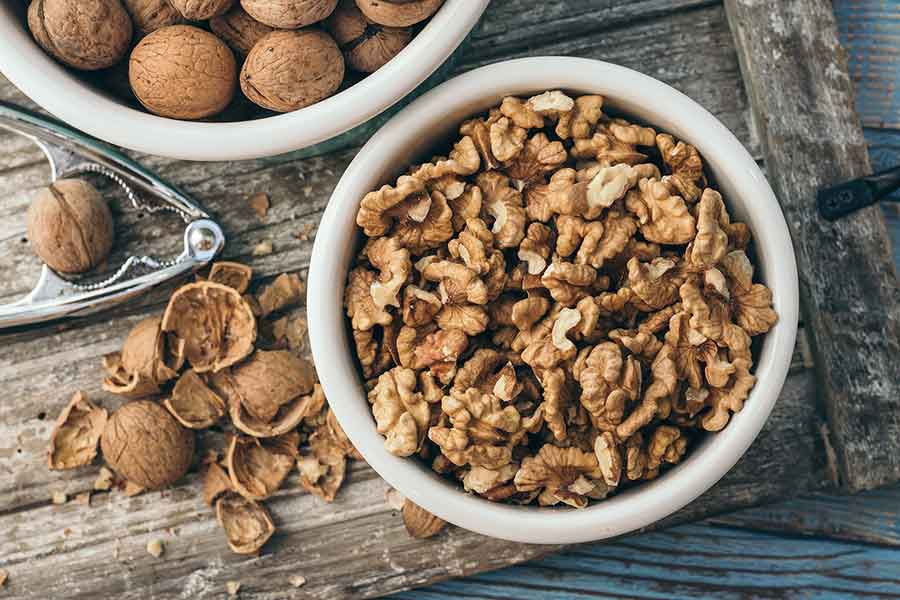
- Nuts and seeds: Almonds, walnuts, hemp hearts, chia, and flaxseeds add protein, fiber plus healthy fats.
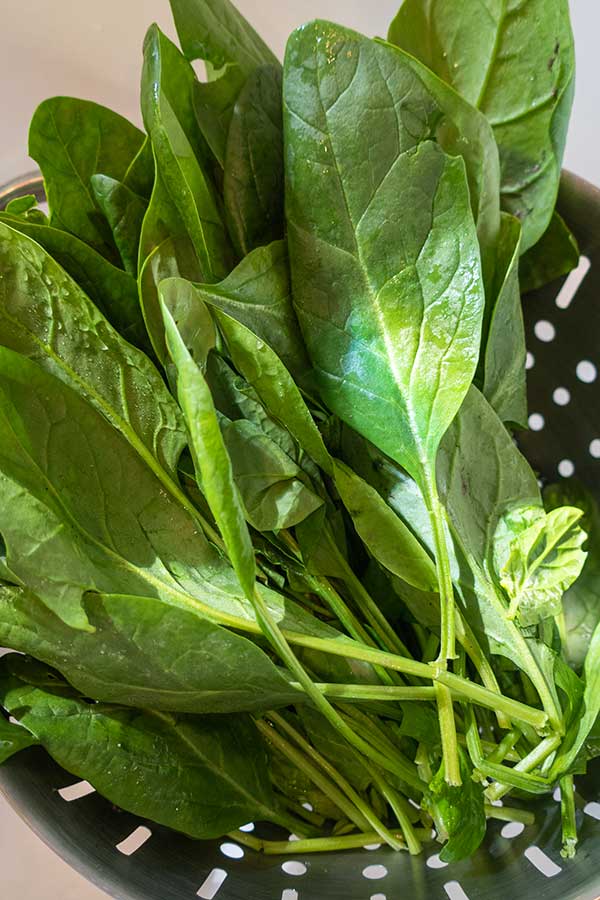
- Protein-rich vegetables: Spinach, broccoli, peas, and kale offer surprising amounts of protein for their calorie content.
Top 10 High-Protein Vegetables (Excluding Legumes)
Per 100 grams — Cooked unless noted
- Spinach – 5.3 g
- Kale – 4.3 g
- Artichokes – 3.3 g
- Mushrooms Raw – White button mushrooms: ~3.1 g protein, Portobello mushrooms: ~2.5–3.0 g, Cremini mushrooms: ~2.5–3.1 g, Oyster mushrooms: ~3.3 g, Shiitake mushrooms: ~2.2 g
- Broccoli – 2.8 g
- Brussel Sprouts – 2.6 g
- Asparagus 2.4 g
- Mustard Greens – 2.3 g
- Collard Greens 2.2 g
- Cauliflower 1.9 g
Why Healthy Fats Matter on a Plant-Based Diet
- Essential Fatty Acids (EFAs)
- Your body cannot make omega-3 and omega-6 fatty acids — you must get them from food.
- According to Cleveland Clinic, Omega-3s are crucial for brain health, hormone production, and reducing inflammation.
- Vitamin Absorption
-
- Fat-soluble vitamins A, D, E, and K need fat for proper absorption.
- If you’re eating lots of greens but no fat, you might not be absorbing their nutrients effectively.
- Hormone Production
- Energy & Satiety
-
- Fats help you feel full and satisfied, preventing overeating and constant hunger.
Healthy Plant-Based Fat Sources
| Food | Type of Healthy Fat | Bonus Nutrients |
| Avocados | Monounsaturated fats | Fiber, potassium, folate |
| Nuts (e.g., almonds, walnuts) | Mono & polyunsaturated fats | Vitamin E, protein |
| Seeds (chia, flax, hemp) | Omega-3 (ALA) | Fiber, magnesium, protein |
| Olives / Olive oil | Monounsaturated fats | Antioxidants |
| Tahini (sesame paste) | Monounsaturated fats | Calcium, iron |
| Coconut (in moderation) | Saturated fat (plant-based) | Lauric acid (may support immunity) |
Creative High-Protein Gluten-Free Plant-Based Meal Ideas
It’s not just about what you eat, but how you combine it. Pairing these protein sources with gluten-free grains and colorful vegetables ensures satisfying and nutrient-rich meals. Some examples include:
- Breakfast: Quinoa porridge with almond butter and hemp seeds, or a tofu scramble with veggies.
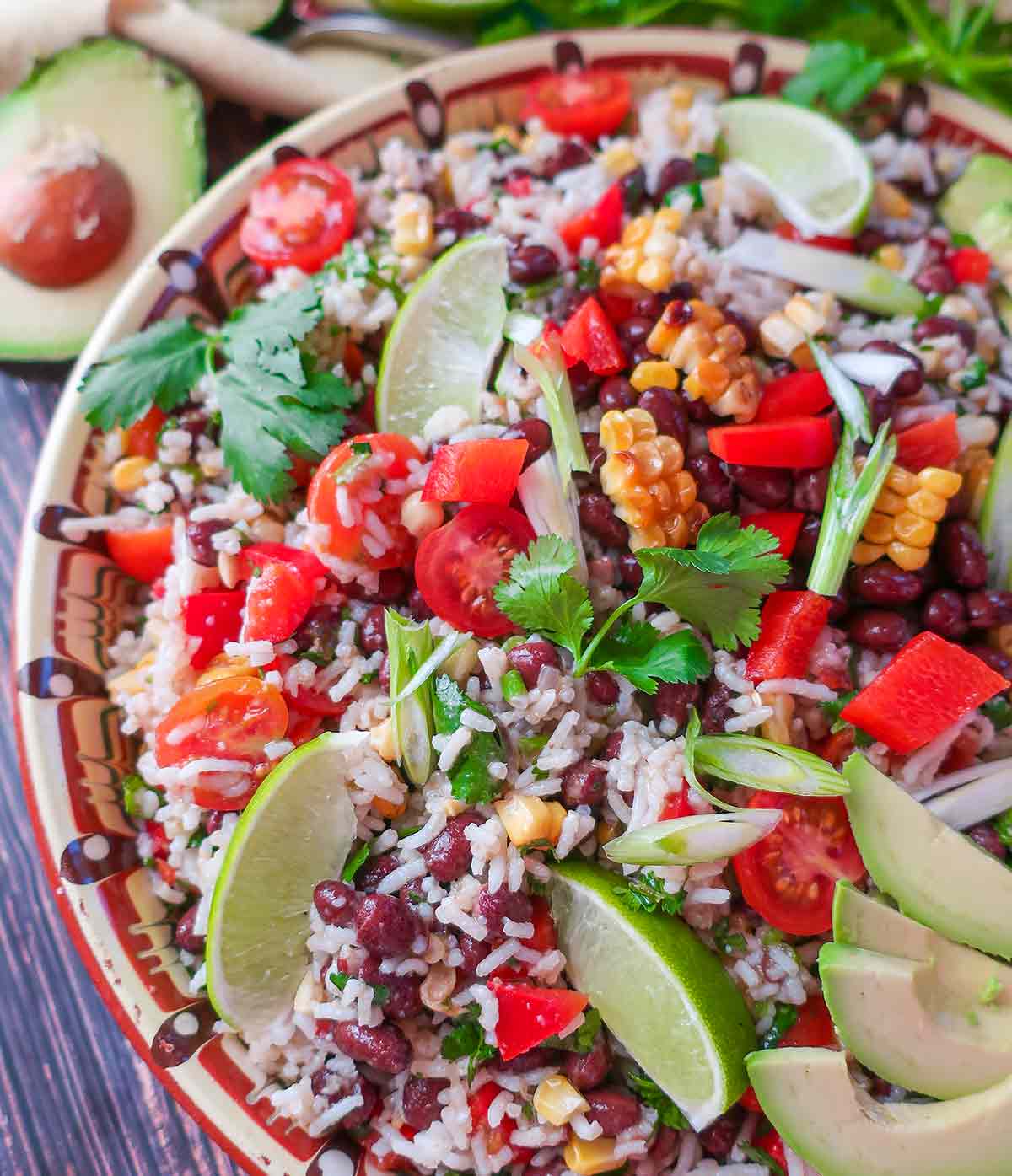
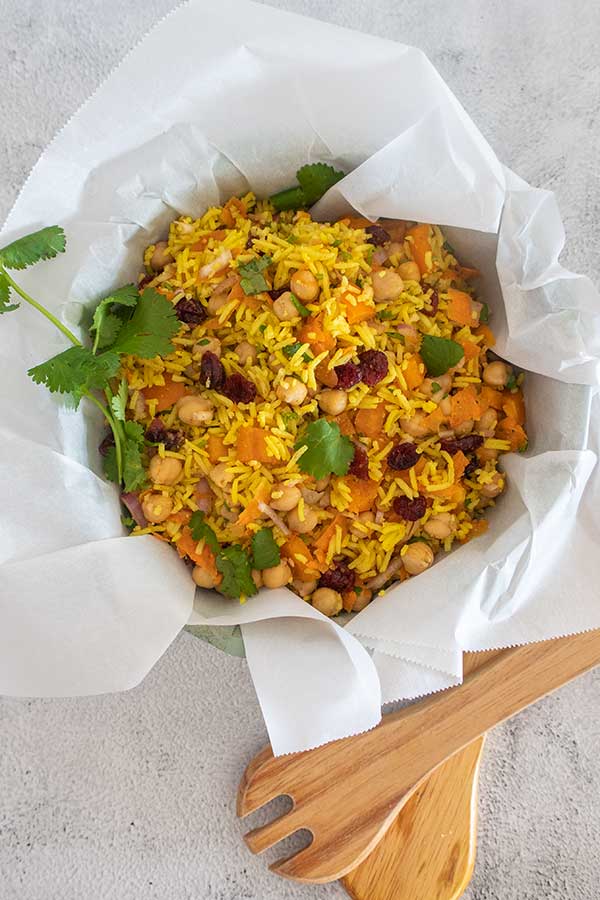
- Lunch: A lentil rice salad, quinoa power bowl, or chickpea rice salad stuffed into gluten-free wraps.
- Dinner: Crispy Tofu in Ginger Sauce with brown rice, or Tuscan White Bean Salad in homemade gluten-free tortillas.
Gluten-Free Vegan Protein Snacks On the Go
Protein isn’t just for main meals—it’s key to having energy throughout the day. Portable gluten-free vegan protein snacks are a lifesaver for work, travel, or school:
- Roasted chickpeas
- Energy bites made with nuts and seeds
- Steamed edamame pods
- No-Bake Pumpkin Seed Cranberry Bars
How to Combine Plant Proteins for Complete Amino Acids and Keep it Gluten-Free
Not every plant food contains all nine essential amino acids—but combining them throughout the day easily fills the gaps. Some classic gluten-free pairings include:
- Rice and beans
- Lentils with nuts or seeds
- Quinoa with legumes
- Hummus with gluten-free pita or in a gluten-free sandwich with your favorite filling such as avocado slices, tomatoes, lettuce, red onions, and shredded cabbage.
| Plant Protein 1 | Plant Protein 2 | Example Meal Idea |
|---|---|---|
| Rice | Beans | Rice & Beans Bowl with veggies |
| Lentils | Nuts or Seeds | Lentil Salad with toasted almonds |
| Quinoa | Legumes | Quinoa and chickpea stew |
| Hummus | Gluten-free pita or veggies | Hummus sandwich with avocado, tomato, lettuce |
These combinations help create a complete protein profile, supporting muscle repair, energy, and overall health.
Gluten-Free Plant-Based Protein Powder Options
Sometimes, life calls for convenience. That’s where gluten-free plant-based protein powders can help. Many brands now offer powders made from peas, hemp, rice, or blended sources that are certified gluten free—making them safe for celiac and gluten-sensitive individuals.
These powders are great for smoothies, baking into muffins, or stirring into overnight oats. Just be sure to check labels carefully, since not all “vegan” protein powders are gluten free. This is the one I use, it is my favorite one -> Orgain Organic Vegan Protein + 50 Superfoods Powder, Vanilla Bean – 21g Plant Based Protein, 8g Prebiotic Fiber,
Sample Meal Plan: High-Protein Gluten-Free Vegan Meals
Meal planning makes it much easier to hit protein goals while keeping food exciting. Here’s a quick sample day to spark ideas:
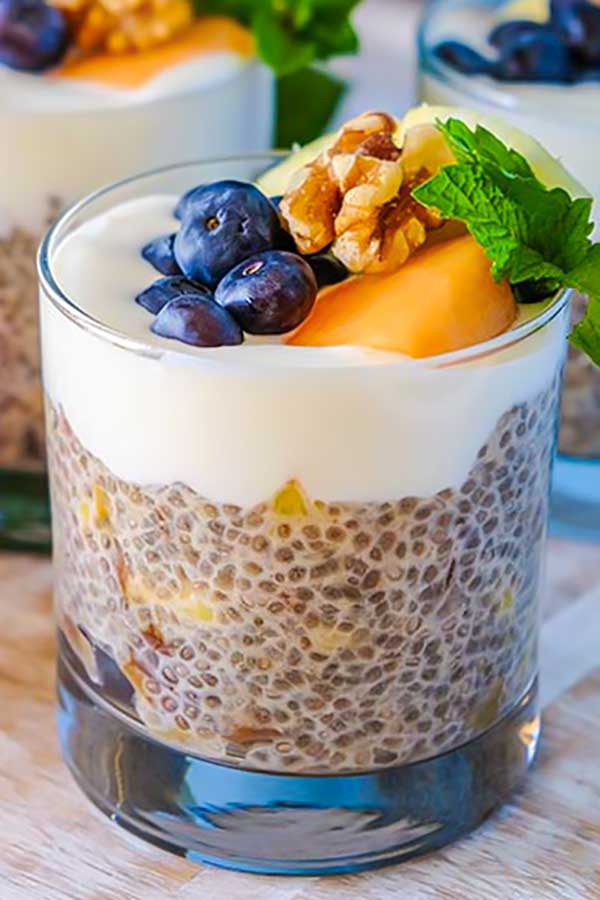
- Breakfast: Overnight oats with flax and chia seeds
- Lunch: Lentil or Broccoli and Chickpea Quinoa Salad Bowl with roasted vegetables
- Snack: Nuts and fresh edamame
- Dinner: Tofu stir-fry with broccoli and brown or white rice or quinoa. Or, my favorite is Gluten-Free Vegan Schnitzel…OMG so good! Just add Roasted Pepper White Bean Rice Salad…YUMNESS!
- Dessert: Chia pudding with coconut milk and berries. Here are our 9 amazing chia pudding recipes.
Final Thoughts: Thriving on a Gluten-Free Plant-Based Diet
Getting enough protein on a gluten-free, plant-based diet is absolutely possible—and delicious! By focusing on whole foods like legumes, nuts, seeds, soy products, and gluten-free grains, you can easily create meals that are both nourishing and satisfying.
Whether you’re prepping a week’s worth of high-protein vegan lunches, reaching for protein-rich snacks on the go, or experimenting with gluten-free plant-based protein powders, the options are more exciting than ever.
With some creativity, you’ll find that eating this way isn’t restrictive—it’s empowering, energizing, and packed with flavor.
Ready to get started?
Explore my collection of gluten-free, high-protein plant-based recipes to inspire your next meal!