
11 Best Gluten-Free Rolls and Buns (Soft, Fluffy, and Easy)
I’ve made a lot of gluten-free rolls and buns over the years, and I can tell you, not all of them are worth repeating. Too often they turn out dense, dry, or just fall apart. So I kept testing, tweaking flours, adjusting hydration, and figuring out what makes a difference. These are the rolls and buns recipes I come back to, the ones that are soft, fluffy, and hold together the way you want them to.
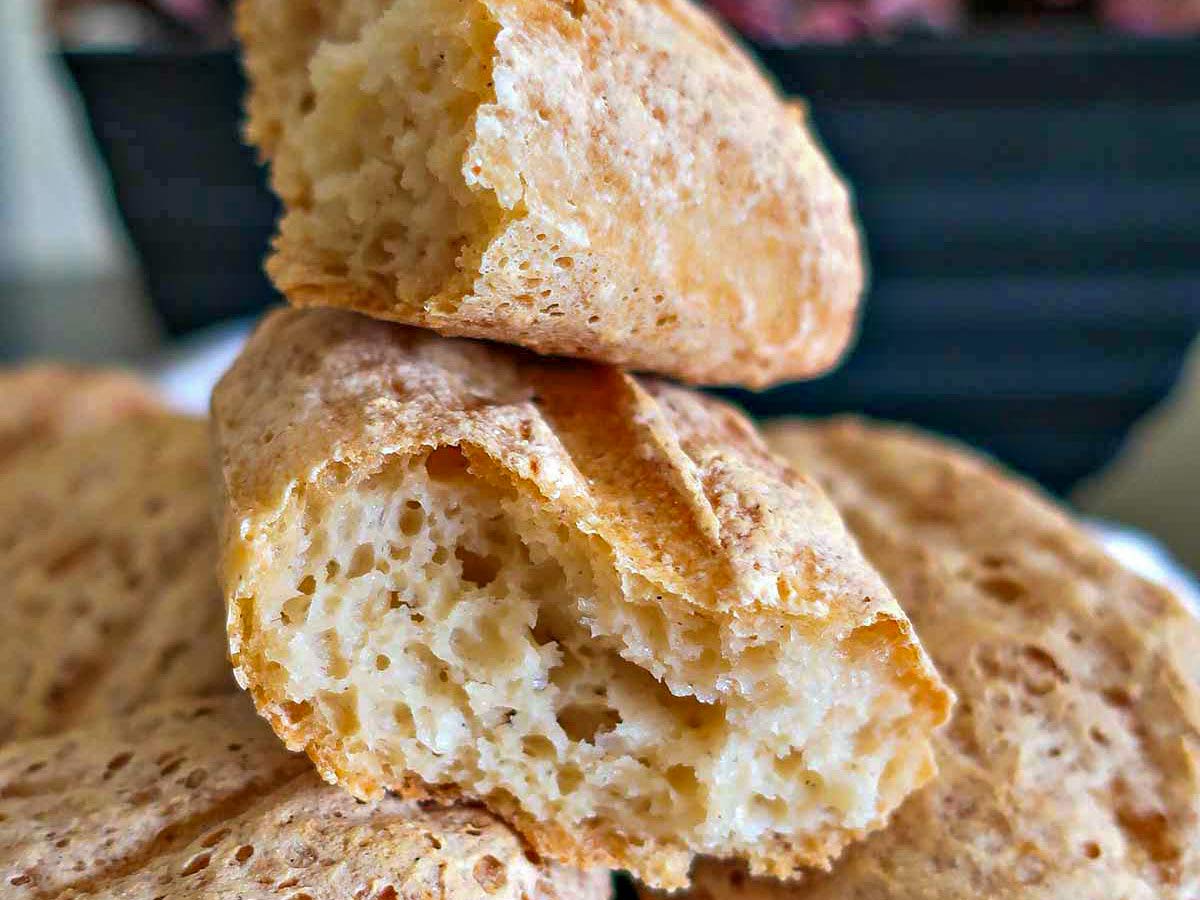
Whether I’m making dinner rolls, sandwich buns, or something a little more special, these recipes are designed to give you reliable, consistent results without overcomplicating things.
Why Gluten-Free Rolls and Buns Are So Hard to Get Right
Gluten-free baking behaves differently, it’s not just a swap.
Without gluten, dough doesn’t have that natural structure, which means:
- It needs more moisture
- It relies on binders like eggs or psyllium husk
- It often looks softer (or even sticky) before baking
- And it can go from perfect to dry very quickly if overbaked
Once you understand that, everything starts to make more sense, and your results get a lot better
Why Your Gluten-Free Rolls Didn’t Turn Out
If you’ve had issues before, here’s what I’ve learned matters most:
- The flour blend matters more than anything
Not all gluten-free flours behave the same. A balanced blend is key. - Your dough was too dry
Gluten-free dough should be softer than you expect, often almost sticky, this is where most people go wrong. - You skipped or reduced the binder
Ingredients like psyllium husk, eggs, or starches help hold everything together. - Not enough rise time
Gluten-free dough often needs more rise time, even if it looks different.
One thing that made a huge difference for me is weighing the flour instead of scooping it, this is vital. Gluten-free flours can vary a lot depending on how they’re measured, and even a small difference can completely change the texture of your rolls. Too much flour is one of the main reasons they turn out dense or dry, so using a kitchen scale really helps keep the results consistent every time.
How to Get Soft, Fluffy Gluten-Free Rolls Every Time
Getting soft, fluffy gluten-free rolls really comes down to a few simple things that make a big difference. I always let the dough rest first so it fully hydrates, which helps with both texture and structure. Since gluten-free dough tends to be softer and a bit sticky, I use slightly wet hands when shaping instead of adding more flour—it keeps the rolls light instead of dense. I also try not to overwork the dough or add extra flour unless it truly needs it.
Best Flour Blends for Gluten-Free Rolls and Buns
From my testing, blends that include a mix of:
- rice flour
- potato starch
- tapioca starch
These tend to give the best balance of softness and structure.
Gluten-Free Rolls and Buns: Common Questions & Troubleshooting
Can you make gluten-free rolls that are soft?
Yes, you just need the right balance of moisture, starch, and binders. When done right, they’re just as soft as traditional rolls. It is vital to follow the recipe exactly, do not improvise.
Why are my gluten-free buns dense?
Usually it’s too much flour or not enough hydration. Gluten-free dough should feel softer than regular dough.
Do gluten-free rolls need to rise twice?
Most gluten-free doughs only need one good rise before baking.
How do you keep gluten-free rolls from drying out?
Don’t overbake them, and brush with butter or oil right after baking. Storing them properly also makes a big difference. Store them in an airtight container at room temperature for up to a day, or refrigerate for a few days. For longer storage, freeze for up to 2 months, then reheat gently to bring back their softness.
11 Soft Gluten-Free Rolls and Buns Recipes
Gluten Free Portuguese Rolls
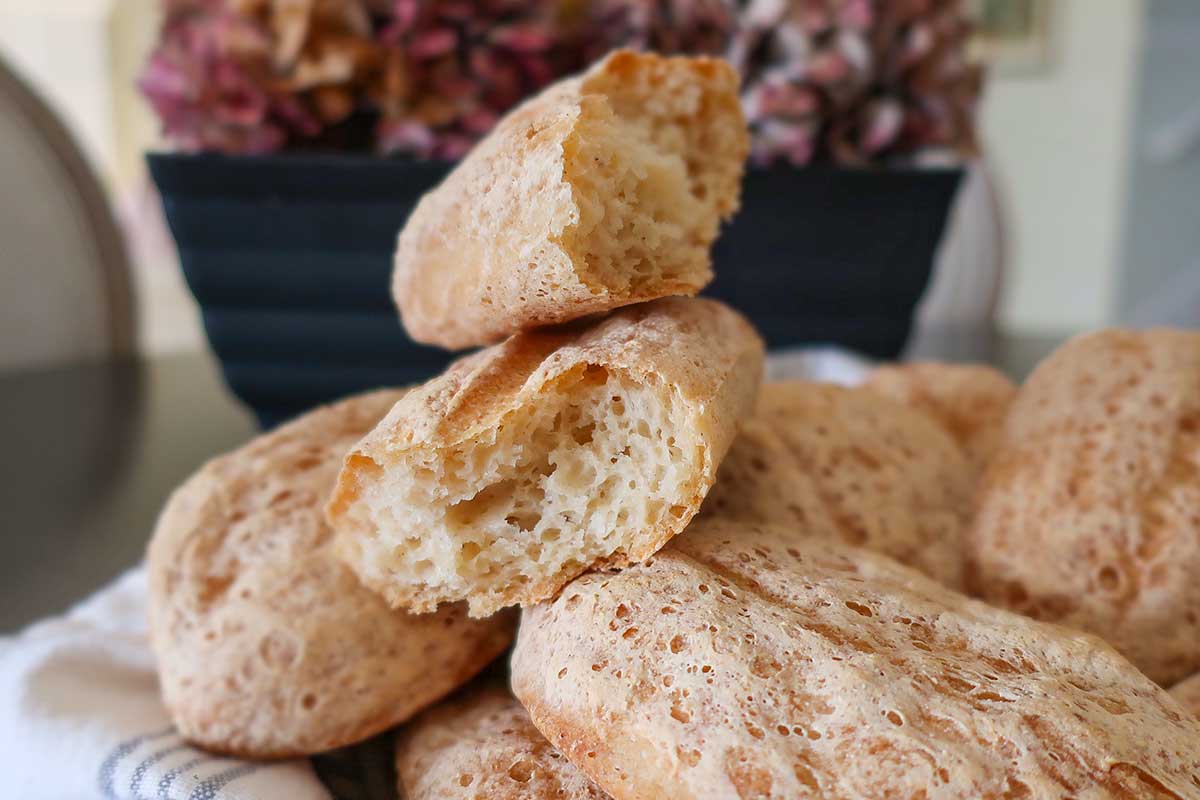
Soft, light, and perfectly crusty gluten-free Portuguese rolls, made dairy- and egg-free with millet, sorghum, potato & tapioca flours and psyllium husk.
Gluten-Free Potato Pan Rolls (Soft & Fluffy Pull-Apart)
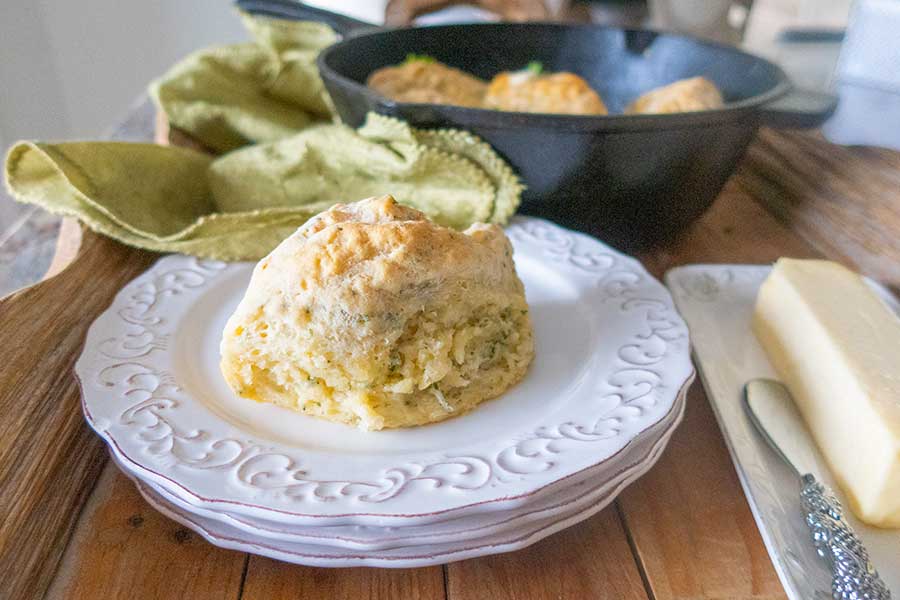
Soft, fluffy gluten-free potato pan rolls with mashed potatoes for moisture and structure, bakery-style, pull-apart rolls that are never dense or dry.
Gluten-Free Parker House Rolls
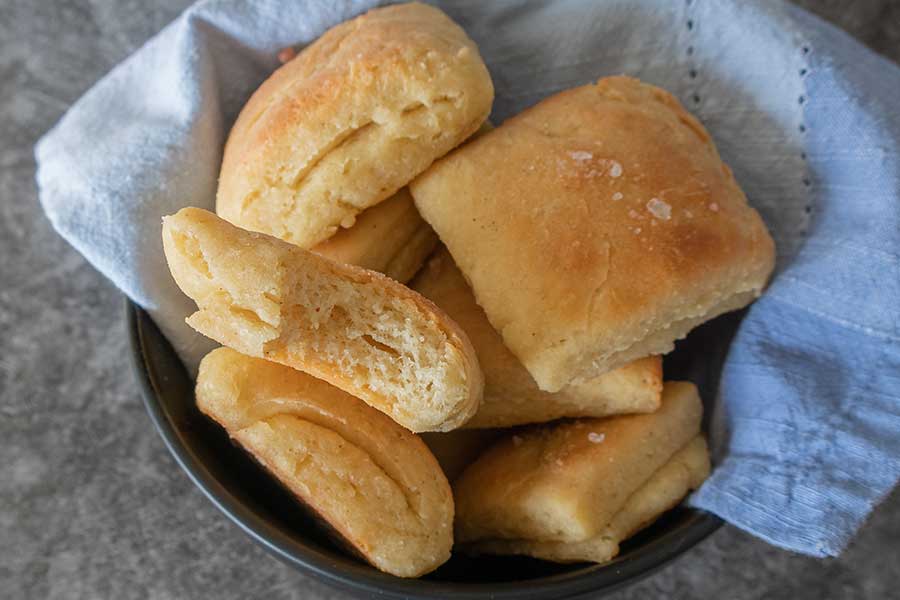
Buttery, folded, and fluffy gluten-free Parker House rolls, puffed up, soft, and downright addictive, perfect for the holidays or any special meal.
Easy Gluten-Free Butter Rolls

Soft, buttery, yeast-free gluten-free butter rolls ready in 30 minutes, perfect for soup, brunch, or topped with eggs, cream cheese, or marmalade.
Easy Gluten-Free Hot Dog Buns
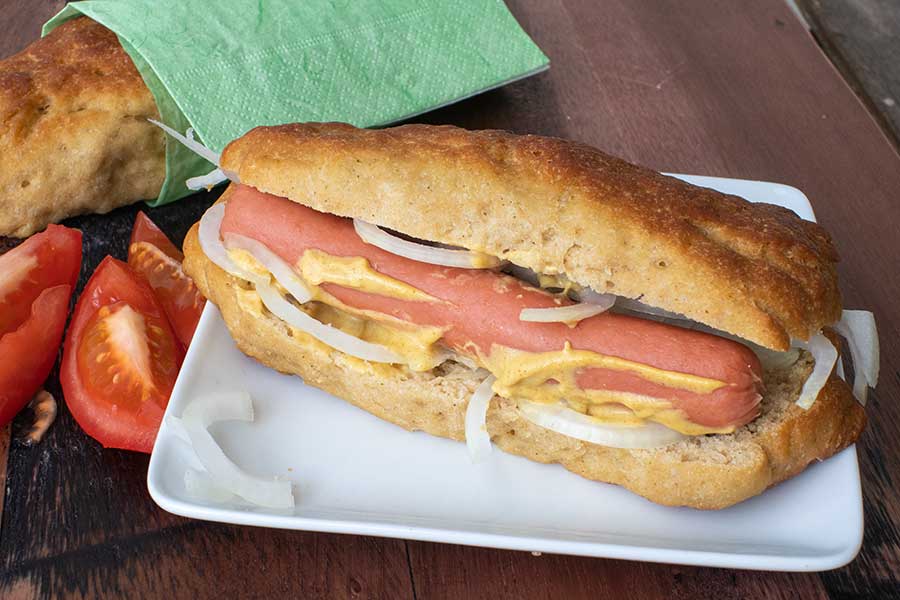
Soft, delicious homemade gluten-free hot dog buns, perfect for hot dogs, burgers, or any shape, making them ideal for BBQs and casual meals. Or, try my Homemade Gluten-Free Hamburger Buns.
Gluten Free Milk Rolls Recipe
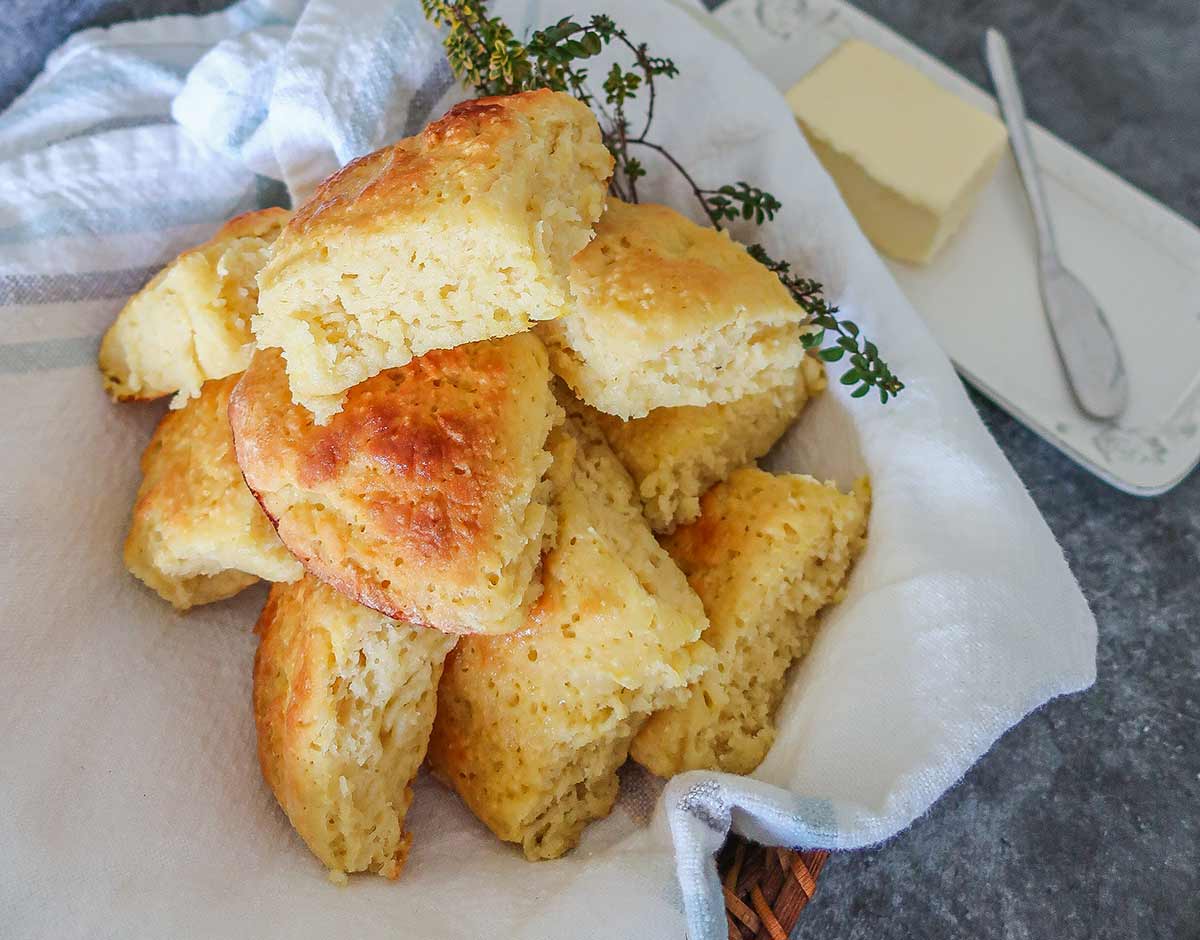
Soft, airy gluten-free milk rolls with a marshmallow-like texture, moist, tender, and perfect for sandwiches, dipping in gravy, or serving with stew.
Gluten Free Hot Cross Buns
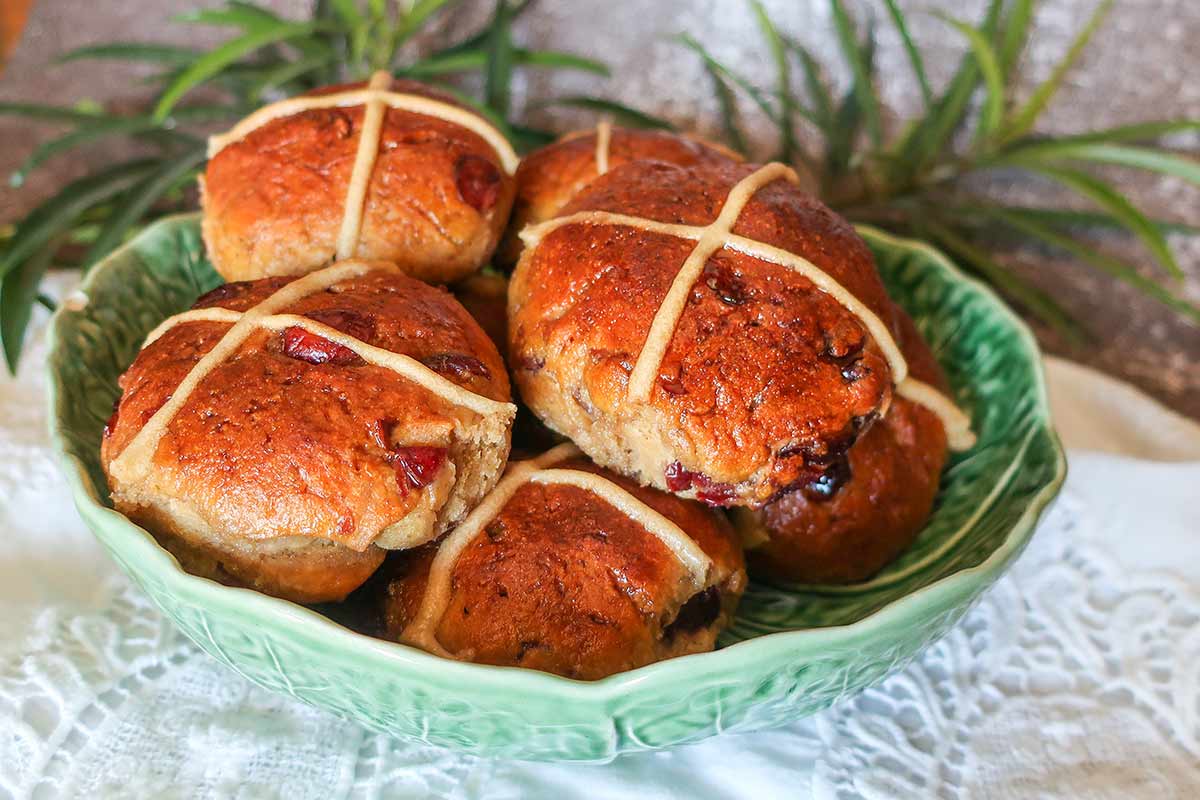
Soft, lightly sweet gluten-free hot cross buns with warm spices, orange zest, dried fruit, and a glossy apricot-glazed cross—perfect for Easter or any special occasion.
4 – Ingredient Gluten-Free Cheese Buns
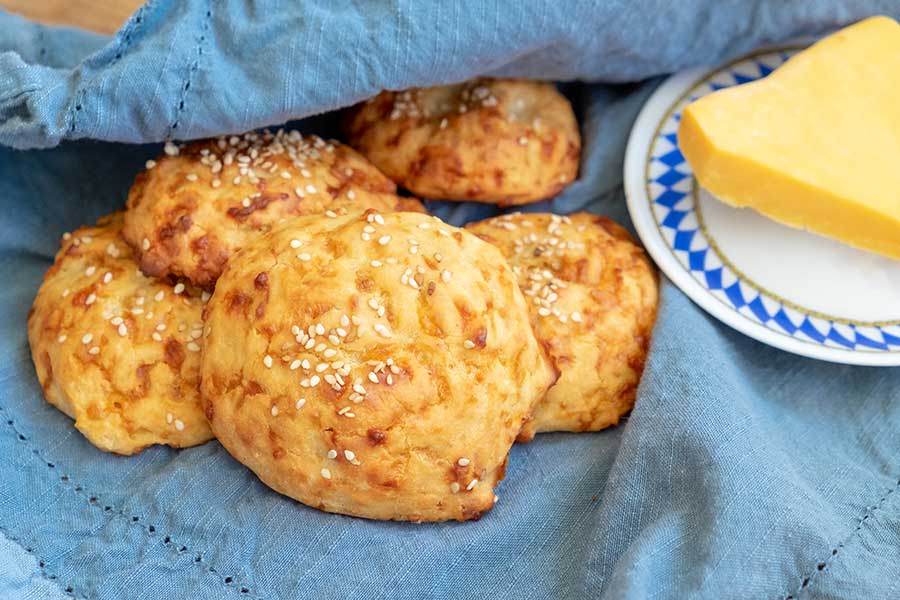
Tender, cheesy gluten-free 4-ingredient cheese buns, easy, fail-proof, and ready with just 10 minutes of hands-on prep.
Best Gluten Free Pull-Apart Soft Rolls
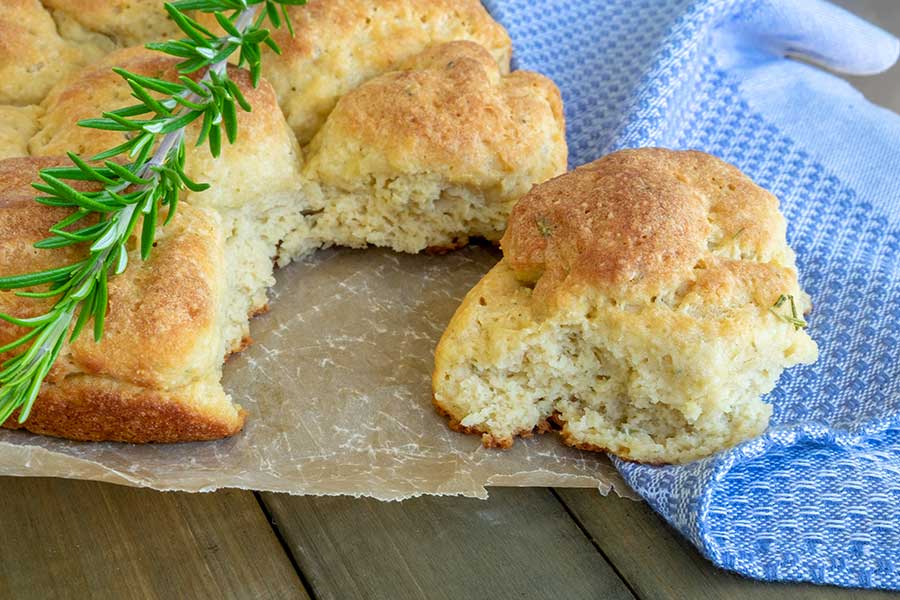
These are the Best Gluten-Free Pull-Apart Soft Rolls by far! Soft, pillowy, and most addictive rolls you will find. When it comes to holidays such as Thanksgiving or Easter, rolls are a must-have on our dinner table.
Easy Gluten-Free Sub Rolls
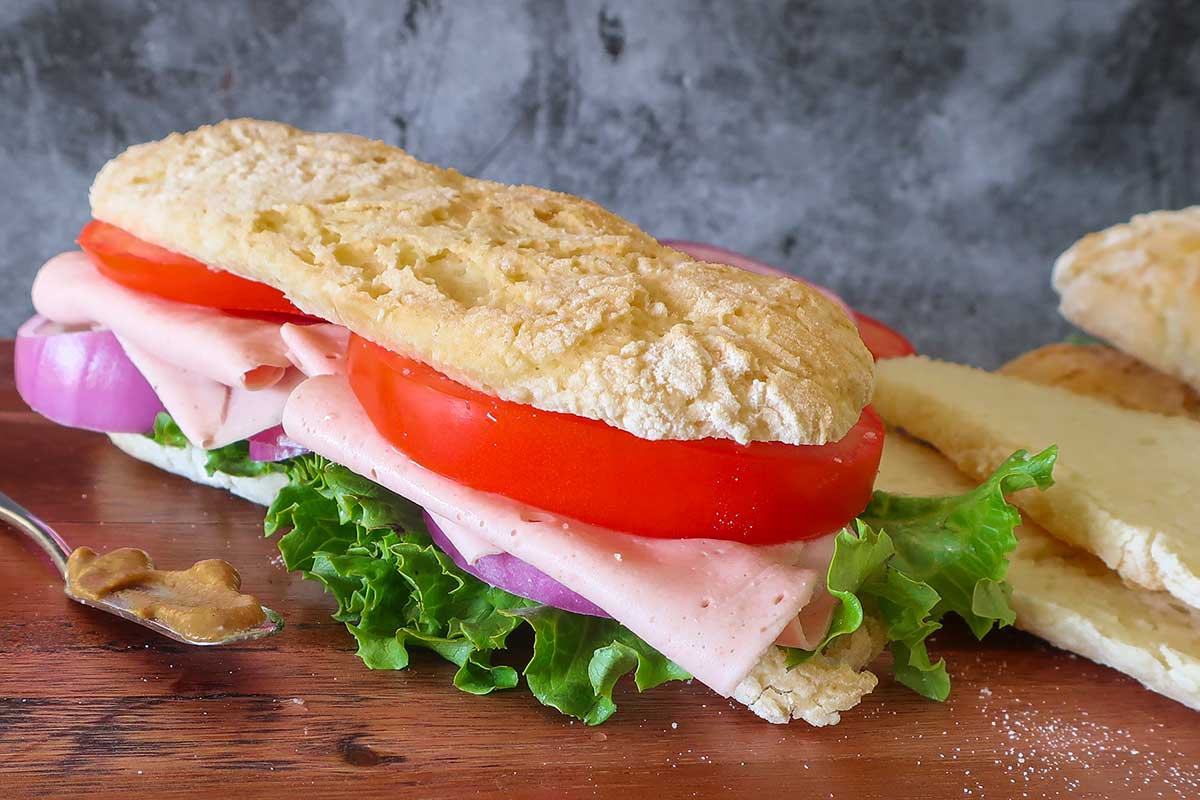
Delicious, versatile gluten-free sub rolls, perfect fresh or sliced for sandwiches, casual lunches, gourmet dinners, or brunch.
Tools I Use for the Best Gluten-Free Rolls
This post contains affiliate links. I may earn a small commission at no extra cost to you.
Over time, I’ve found a few simple tools that really make a difference when it comes to gluten-free baking, especially for getting consistent results.
I almost always use a non-stick perforated baguette pan when I want better structure and a more even bake—it helps create a light crust without drying the rolls out.
Weighing the flour is also something I don’t skip anymore. A simple kitchen scale makes a huge difference in gluten-free baking, where even a little too much flour can change the texture completely.
And finally, I like using a dough scraper for handling softer, stickier dough, and Silicone Pastry Mat Non-slip with Measurements, it makes shaping and sizing so much easier without adding extra flour.
Tried a recipe?
If you enjoyed a recipe, please leave a star rating and review! Your feedback helps others find these recipes. Be sure to FOLLOW US on FACEBOOK or, check us out on PINTEREST. And don’t forget to sign up for our newsletter. We always have something delicious coming next!
Many thanks!
Kristina x