

Gluten-Free Greek Cheese Bread with Feta and Kasseri

3 Reviews
Published Aug 10, 2024 ∙ Kristina Stosek

This post may contain affiliate links, please see our privacy policy for details.

This Gluten-Free Greek Cheese Bread has a golden crust, a soft, tender interior, and plenty of savory cheese in every slice. Feta adds a tangy, salty flavor, while Kasseri melts into the bread for a rich, cheesy texture. Finished with oregano and sesame seeds, this rustic bread is delicious served warm with soup, alongside a Mediterranean meal, or a hearty sandwich.

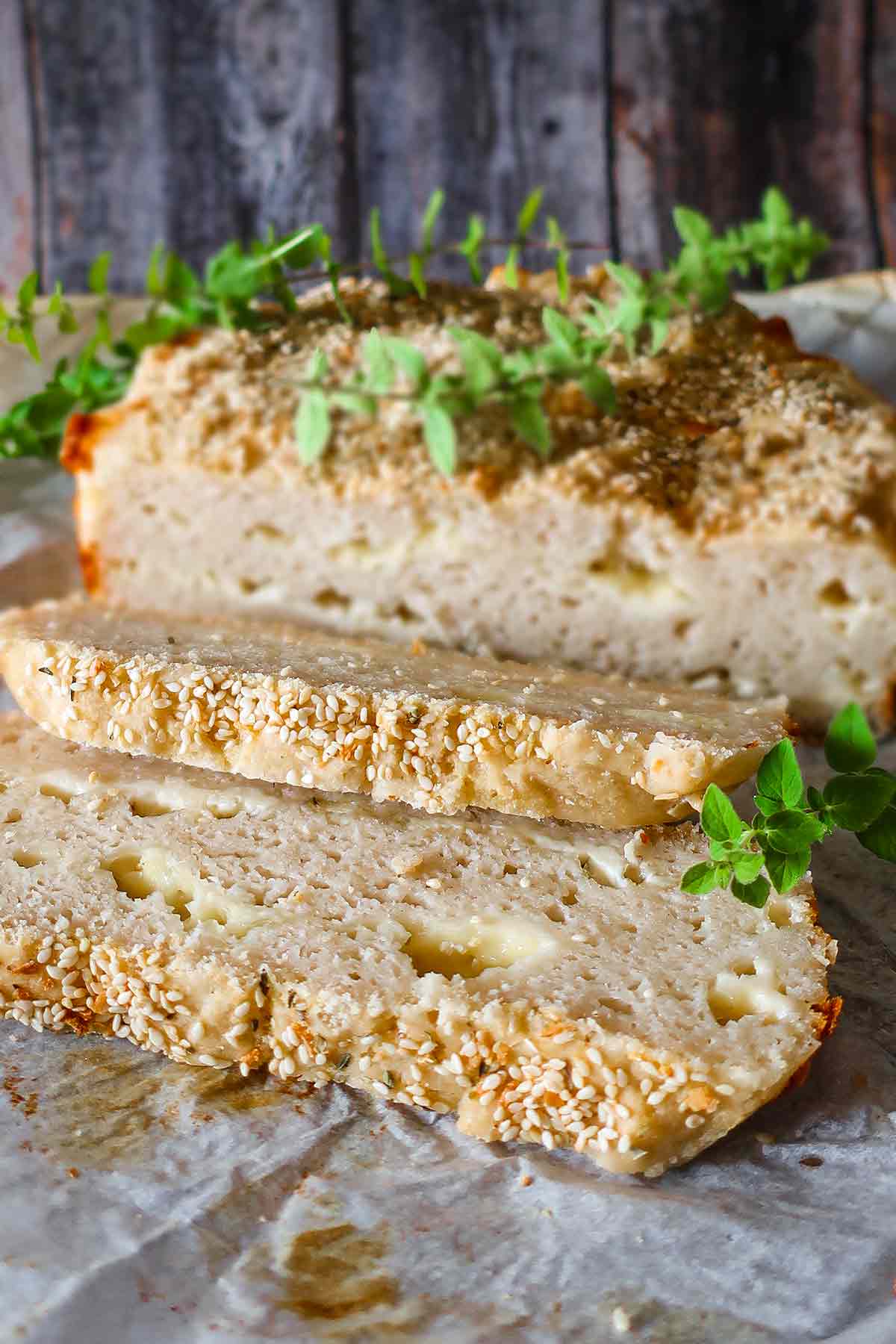
sliced Gluten-free Greek cheese bread

What Makes This Greek Cheese Bread Special?

  • Two kinds of cheese: Feta adds a tangy bite, while Kasseri brings a rich, creamy, savory flavor.

  • A golden, flavorful crust: Olive oil and oregano give the bread its Mediterranean character.

  • Soft and cheesy inside: Layers of cheese throughout the dough add flavor and with pockets of melted cheese.

  • Perfect for sharing: Bake it in a round dish and serve it with soup, salads, dips, or a selection of olives.

What Is Kasseri Cheese?

Kasseri is a traditional Greek cheese, generally made with sheep’s milk or a blend of sheep’s and goat’s milk. It has a semi-hard texture and a mild, buttery, tangy flavor that works well in baked dishes.

Kasseri substitutions: If you can’t find Kasseri, try Manchego for a similar firm texture and savory flavor. Provolone can work when you want a good melting cheese, while a mild Pecorino can add a sharper, saltier note. These alternatives will change the flavor somewhat, but the bread will still be delicious.

You may also enjoy my 3 favorite rustic bread recipes, Gluten-Free Blue Cheese Pistachio Soda Bread, Gluten Free Portuguese Bread, and the Gluten-Free White Bean with Rosemary Bread.

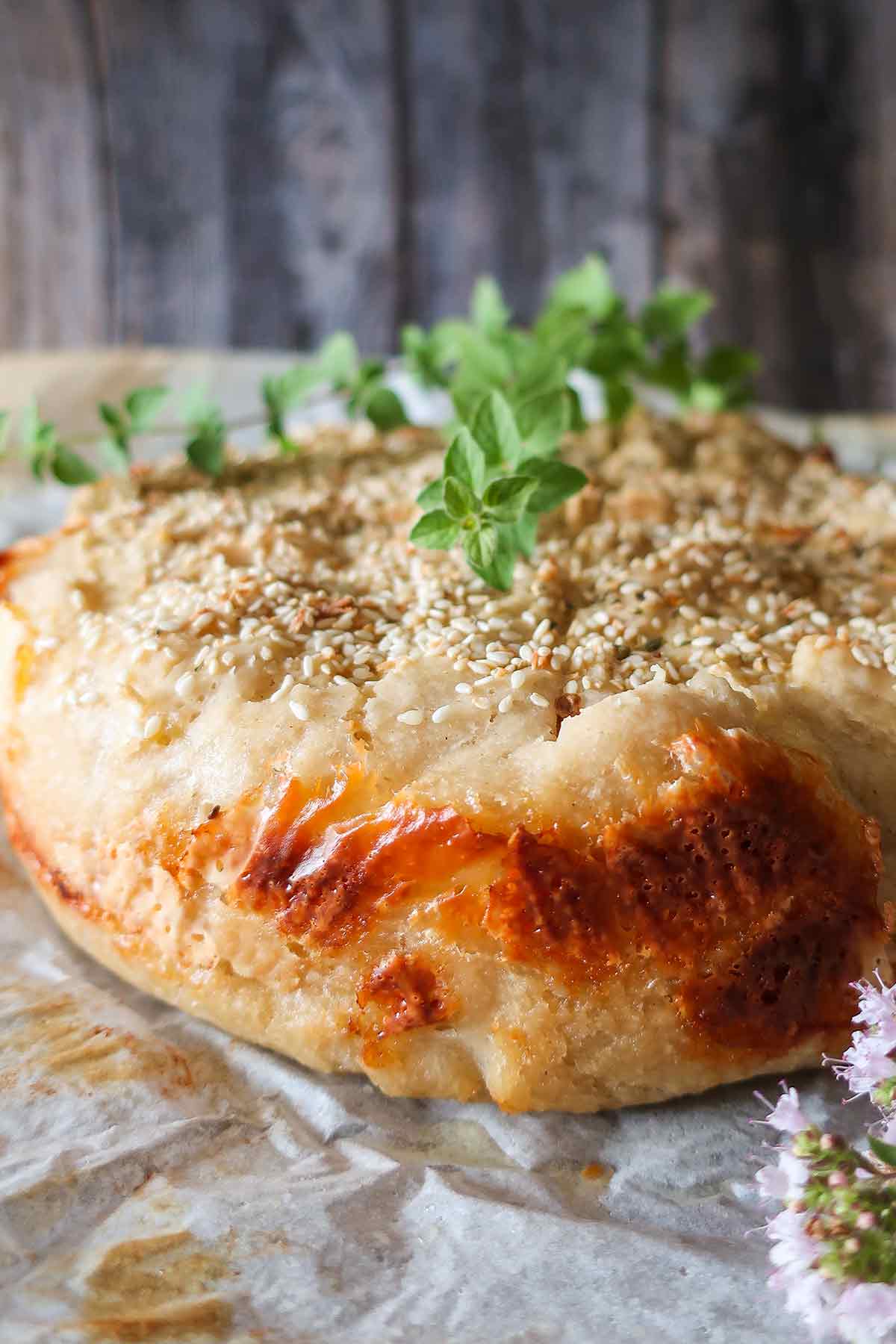
round loaf of baked greek cheese bread

Ingredients and Notes

  • Gluten-free measure-for-measure flour: Use the rice-based 1:1 flour blend for yeasted bread, as specified in the recipe. Different blends can absorb liquid differently.

  • Instant yeast: Helps the dough rise and gives the bread its airy structure. Be sure the check the expiry date.

  • Baking powder: Works alongside the yeast to support the bread’s rise.

  • Warm water: The recipe specifies 120°F–130°F because the instant yeast is mixed directly with the flour rather than proofed separately before use.

  • Olive oil: Adds Mediterranean flavor and helps keep the bread moist and tender. It’s best to use good quality olive oil.

  • Honey: Adds a touch of sweetness to balance the salty cheese.

  • Feta cheese: Provides the characteristic tangy, salty flavor.

  • Kasseri cheese: A Greek cheese with a semi-hard texture and savory, slightly tangy flavor.

Gluten-Free Reminder: Make sure all packaged ingredients you use are labeled gluten-free or verified by the manufacturer. Shop my favorite gluten-free products and baking essentials in my Amazon Store.

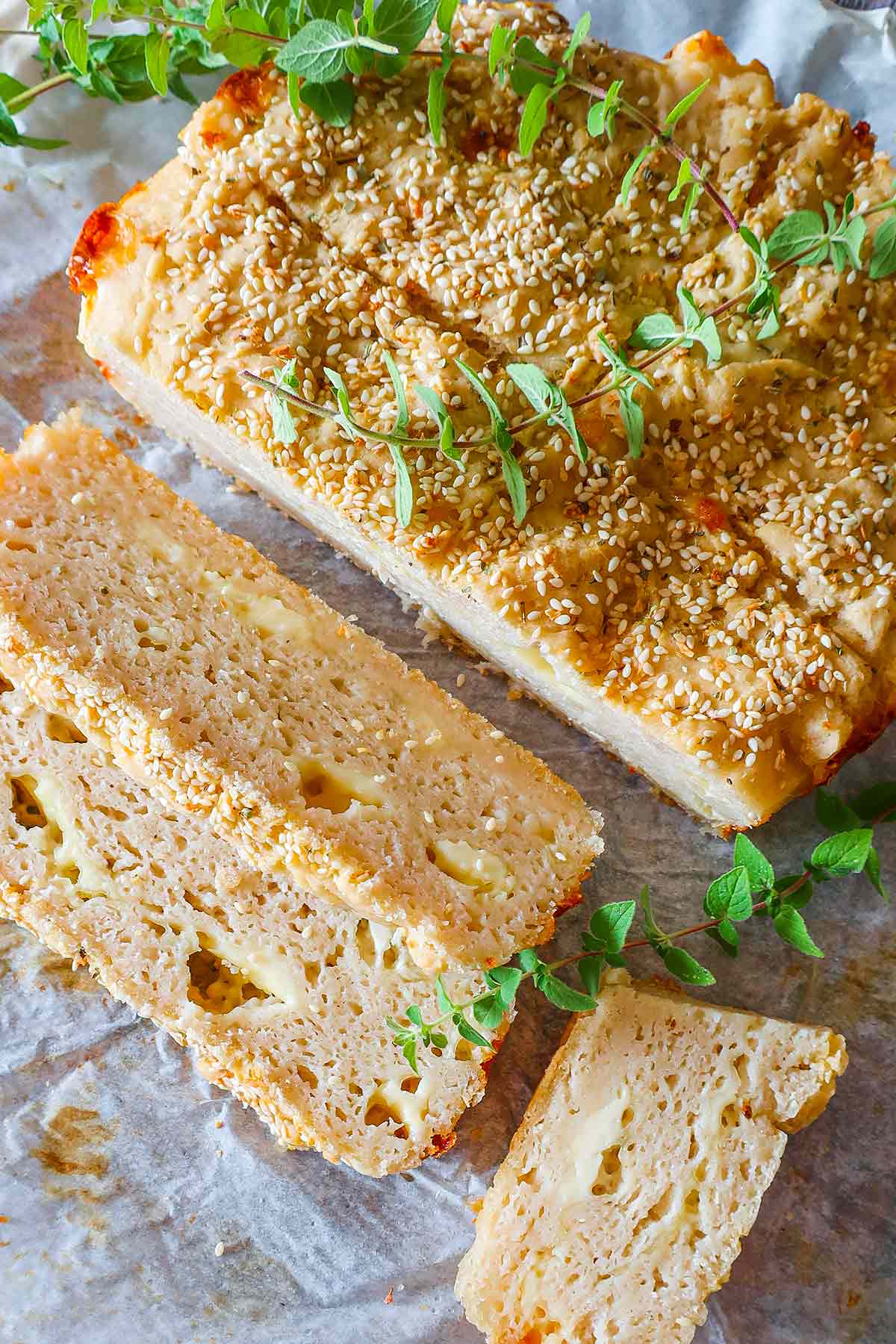
close up of sliced greek cheese bread

Why Did My Gluten-Free Greek Cheese Bread Fail?

If your Gluten-Free Greek Cheese Bread didn’t turn out as expected, here are a few common reasons why and how to troubleshoot:

  • Overmixing or Undermixing: Gluten-free doughs can be sensitive. Overmixing can lead to dense bread, while undermixing can cause uneven texture. Mix until just combined.
  • Underbaking or Overbaking: Ensure the bread is baked until it’s golden and sounds hollow when tapped. Underbaking can lead to a soggy center, while overbaking can make it too dry.

Your go-to guide for perfect gluten-free bread — check it out!

3 Steps to Making Gluten-Free Greek Cheese Bread

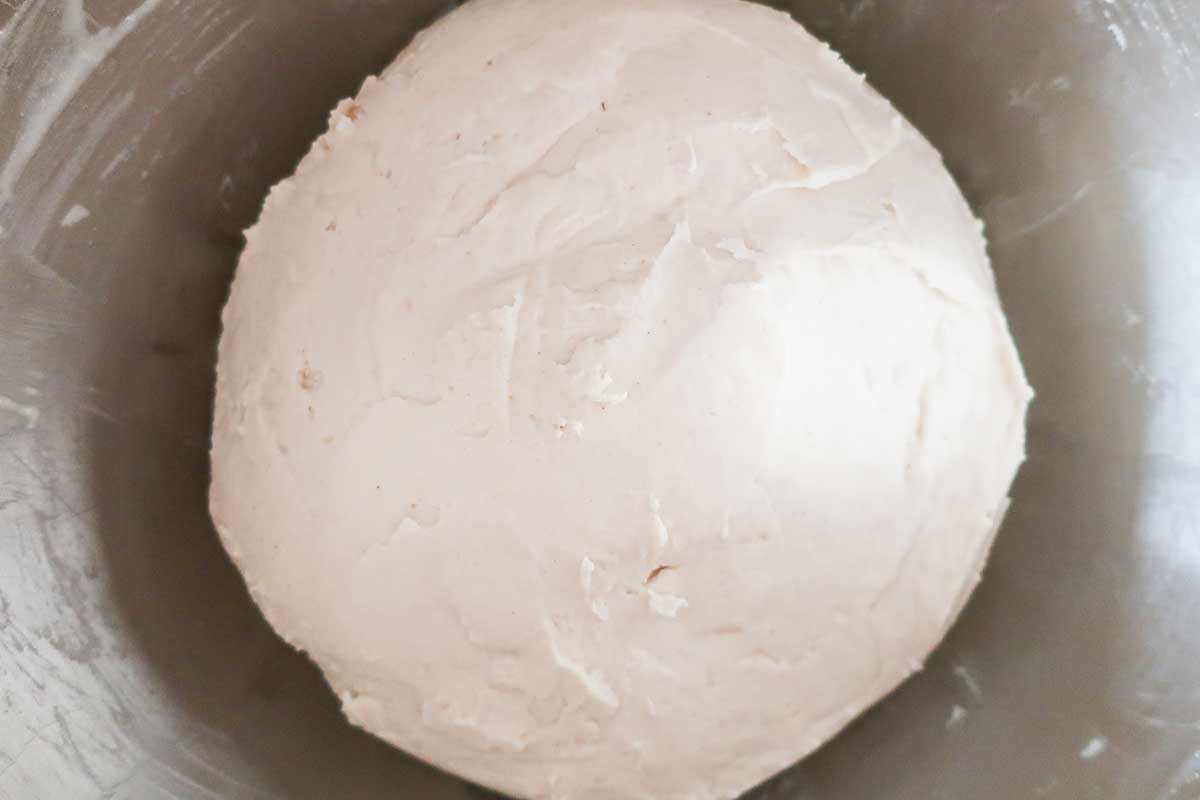
Combine Ingredients: Mix the dry and wet ingredients together to form a sticky dough. Shape the dough into a round.

round dough in a bowl

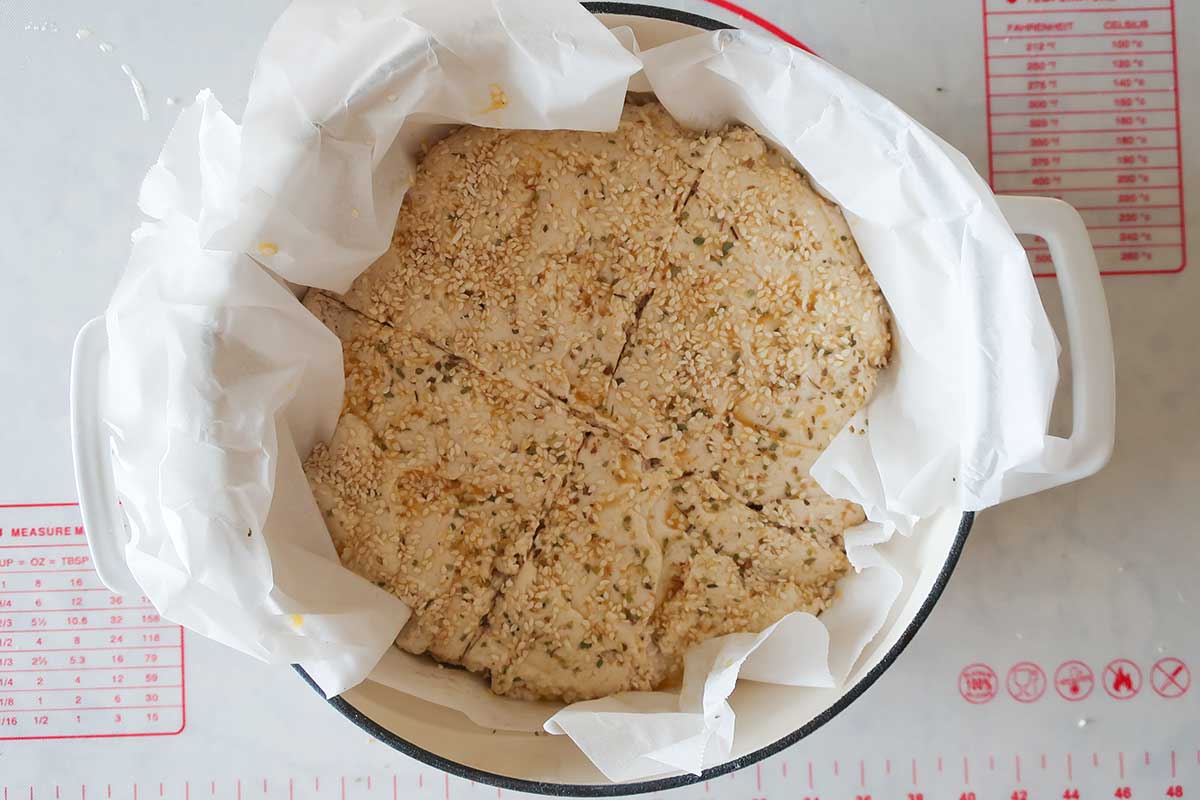
Layer and Shape: Divide the dough into three portions. For each portion, layer with cheese, then top with herbs and sesame seeds.

3 layers of dough and cheese after proofing in a pot

Bake and Enjoy: Bake until golden and enjoy your delicious gluten-free Greek cheese bread!

top of baked cheese bread topped with fresh oregano

Tips for the Best Gluten-Free Greek Cheese Bread

  • Weigh the flour: The recipe calls for 592 g. Weighing helps keep the dough consistent. If you use measuring cups be sure to fill the cups using a spoon and levelling with a knife. Even a small amount of extra flour will change the texture to a heavier dense bread.

  • Expect a sticky dough: Gluten-free bread dough doesn’t behave like traditional wheat dough. Lightly oil your hands when layering it.

  • Allow enough rising time: The dough should visibly rise before baking. Room temperature affects how quickly this happens.

    Oven method: If your kitchen is cool, preheat the oven to its lowest setting for 1–2 minutes, then turn it off. Leave the oven door open for a 2 minutes to let the heat escape before placing the covered dough inside. The oven should feel gently warm, not hot, to prevent damaging the yeast.

  • Check the center: A golden crust doesn’t always mean the middle is fully baked.

    For the most accurate results, use an instant-read kitchen thermometer to check the internal temperature of the bread. Insert the thermometer into the center of the loaf, avoiding pockets of melted cheese. The bread is generally done when the center reaches about 200°F–205°F. If it hasn’t reached this temperature, continue baking and check again after a few minutes.

  • Let it cool: Cutting too early can make the interior appear gummy, even when the bread is properly baked

What to Serve with Greek Cheese Bread

This bread is delicious served warm alongside olives, my Lentil Hummus & White Beans with Roasted Red Pepper, or tzatziki. It also pairs beautifully with soups and simple Mediterranean meals.

Try it with:

For more bread recipes, explore Rustic Gluten-Free Ciabatta Bread or Gluten-Free Mediterranean Olive Bread.

Storing Gluten-Free Greek Cheese Bread with Feta and Kasseri

Store cooled bread in an airtight container in the refrigerator for up to 4 days because of the cheese. Reheat individual slices in the oven to refresh the crust. You can also freeze portions, well wrapped, for up to 2 months for best quality.

Hi, I’m Kristina — I’ve been developing and testing gluten-free recipes in my own kitchen since 2012, with help from my very honest family.

Did you make this recipe? Leave a ⭐⭐⭐⭐⭐ rating and a quick review below,  it helps other gluten-free cooks find recipes they can trust. For more, join me on Pinterest, Facebook, and Instagram.

Nutrition Info

  • (per serving, 1/10 of the loaf) - Calories: 390 - Carbohydrates: 57 g - Protein: 10 g - Fat: 14 g - Saturated fat: 5 g - Fiber: 3 g - Sugar: 5 g - Sodium: 850 mg. | These are rough estimates based on the listed ingredients and may vary depending on the gluten-free flour blend and cheeses used.


Add a Rating

Select a recipe rating

Leave a Comment

Comments

No comments yet.