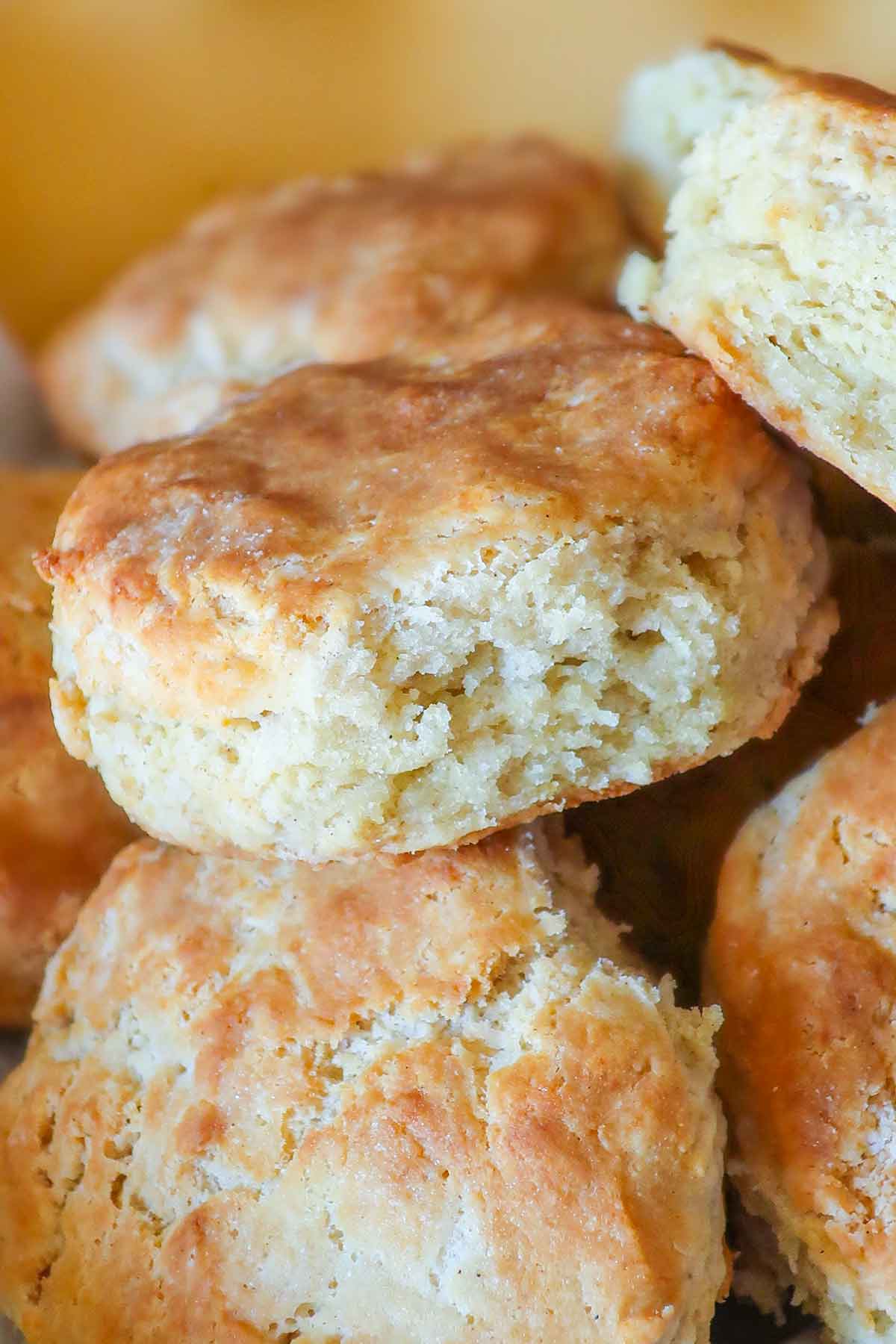
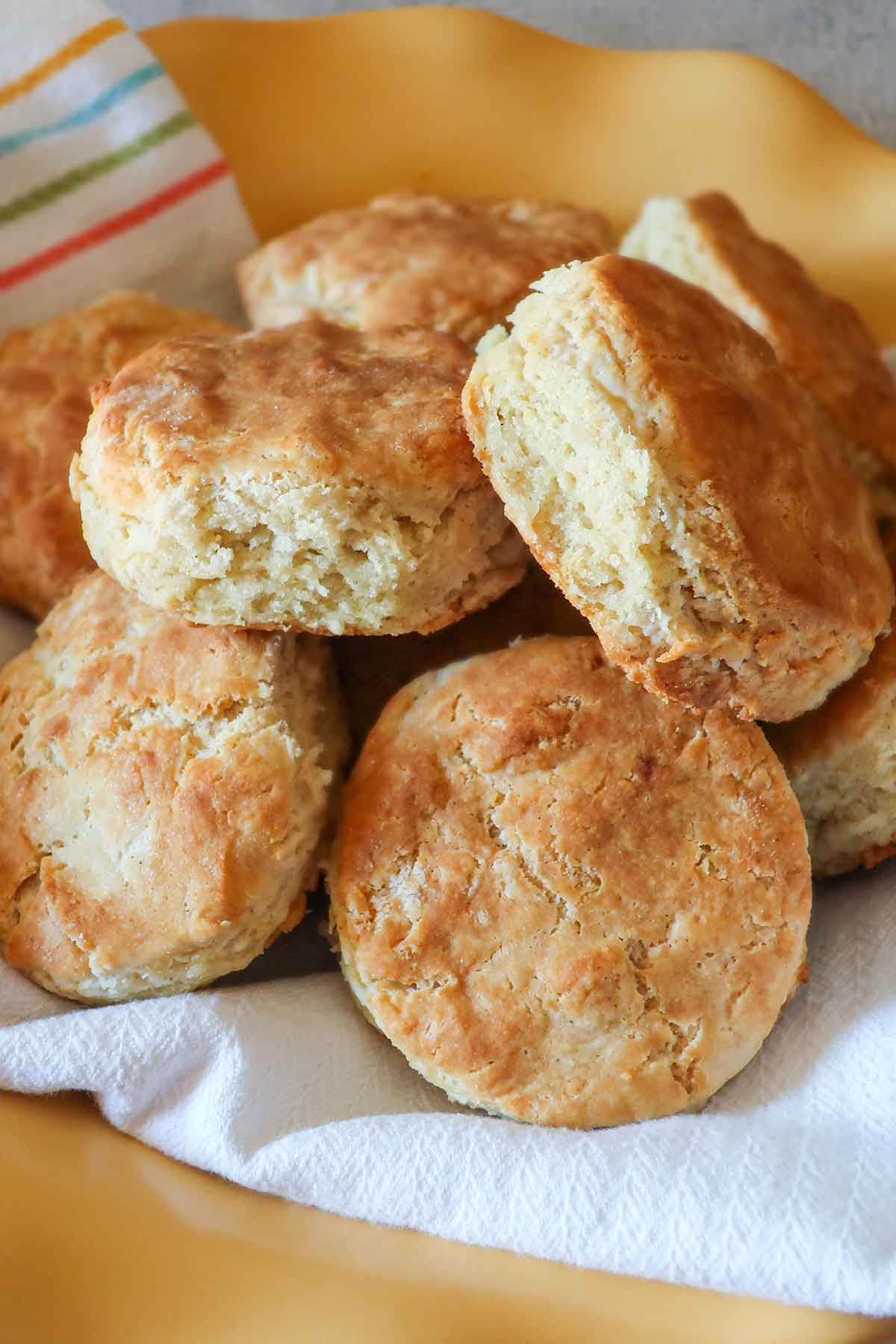
With this easy Fluffy Gluten Free Biscuit Recipe, you can enjoy warm, flaky, buttery biscuits under 30 minutes. Made with just 8 ingredients, these easy biscuits are quick to whip up, tender with a perfect texture, and very tasty.
What Is a Gluten-Free Biscuit?
A gluten-free biscuit is a soft, tender quick bread made without wheat or other gluten-containing ingredients. Unlike yeast bread, biscuits rely on baking powder or baking soda for their rise, giving them their signature light and fluffy texture.
Traditional American biscuits are typically buttery, tender, and slightly crumbly, and a good gluten-free biscuit can have that same delicious texture using a gluten-free flour blend.
Key Ingredients for Fluffy Gluten-Free Biscuits
- Gluten-free 1:1 flour blend: Provides the structure while keeping the biscuits gluten-free.
- Baking powder and baking soda: Help the biscuits rise and create a light, fluffy texture.
- Sugar: Adds a subtle sweetness and helps the biscuits brown beautifully.
- Cold butter: Creates tender, flaky layers as it melts during baking.
- Cold milk: Adds moisture while helping create a tender biscuit.
- Sour cream: Adds moisture and richness, helping keep the gluten-free biscuits soft and tender.

Tips For Best Gluten-Free Biscuits
If your gluten-free biscuits turn out heavy and dense instead of light, fluffy, and tender, a few simple baking mistakes could be the reason. Gluten-free biscuit dough can be a little more delicate than traditional dough, so how you mix, measure, shape, and bake the biscuits matters. Here are my best tips for making light and fluffy gluten-free biscuits every time.
1. Don’t Overmix the Biscuit Dough
Overmixing can make biscuits tough and dense instead of tender and fluffy. When mixing your gluten-free biscuit dough, mix just until the ingredients are combined. Don’t worry if the dough looks slightly lumpy or uneven—this is perfectly fine.
The less you work the dough, the lighter your biscuits will be.
2. Measure the Gluten-Free Flour Correctly
Using too much gluten-free flour can make the dough dry, heavy, and dense. Gluten-free flour blends can also vary in how much liquid they absorb, so accurate measuring is important.
For the most consistent results, use a kitchen scale to weigh your flour. If you don’t have a scale, spoon the flour lightly into a dry measuring cup and level it with the back of a knife. Never scoop the flour directly from the bag with the measuring cup or pack it down.
3. Make Sure Your Baking Powder Is Fresh
Baking powder is what helps your biscuits rise, so if it’s old or no longer active, your biscuits may turn out flat and dense.
To test your baking powder, add about ½ teaspoon baking powder to ¼ cup hot water. It should bubble immediately. If there is little or no bubbling, it’s time to replace it.
4. Use Cold Ingredients
Cold butter is one of the secrets to light, fluffy biscuits. As the biscuits bake, the cold butter melts and creates steam, helping to form lighter layers.
Keep your butter, milk, and sour cream cold until you’re ready to use them. For the butter, I like to grate it with a box grater before adding it to the dry ingredients. The small pieces distribute easily throughout the flour without requiring you to work the dough too much.
5. Handle the Dough Gently
Even after mixing, avoid overworking your biscuit dough. Handling it too much or pressing it down firmly can compact the dough and leave you with heavy, dense biscuits.
When shaping the dough, pat it gently rather than pressing it down hard. Your biscuits don’t have to look perfect—in fact, a slightly rustic, uneven top is often a good thing. Gentle handling helps preserve the light texture you’re looking for.
6. Bake at the Correct Temperature
A properly preheated oven is essential for getting gluten-free biscuits to rise properly. If the oven isn’t hot enough, the butter may melt before the biscuits have a chance to rise, leaving you with dense biscuits.
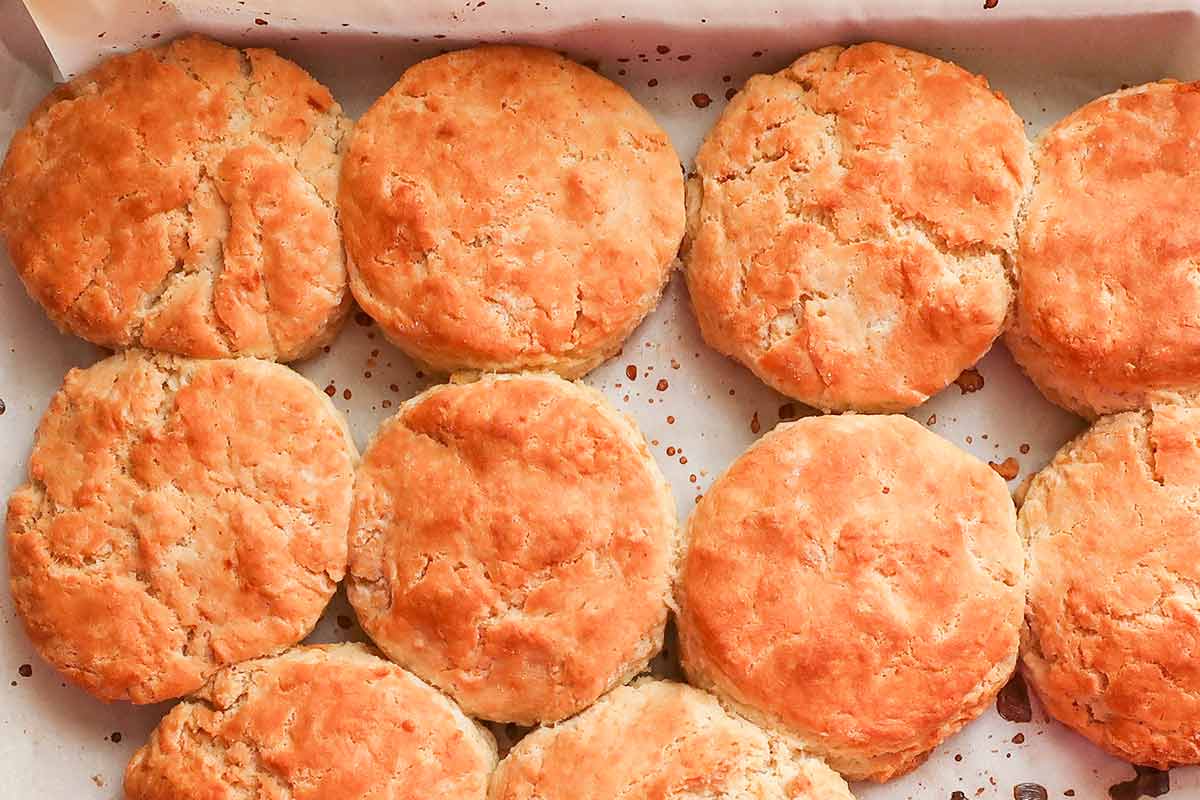
Preheat your oven to 425°F before baking. Bake the biscuits for the recommended time, until they are lightly golden and cooked through.
For the best results, don’t place the biscuits in an oven that is still coming up to temperature. A fully preheated, hot oven gives the biscuits the initial burst of heat they need for a good rise.

Why Is Sugar Included in Biscuit Dough?
Even a small amount of sugar can make a difference in gluten-free biscuits. It helps enhance the flavor, promote golden-brown browning, and retain moisture, which can help keep the biscuits tender rather than dry.
The sugar doesn’t necessarily make the biscuits taste sweet, it helps improve their overall flavor and texture.
Gluten-Free Biscuit Variations
One of the best things about homemade gluten-free biscuits is how easy they are to customize. Try these delicious variations:
- Cheese Biscuits: Add shredded cheddar, Parmesan, or pepper jack to the dough for a savory, cheesy flavor. Sprinkle a little extra cheese on top before baking for a golden, cheesy crust.
- Herb Biscuits: Stir fresh parsley, chives, thyme, or rosemary into the dough for a fresh, savory flavor.
- Garlic Biscuits: Add minced garlic to the dough and brush the baked biscuits with garlic butter for even more flavor.
- Bacon Biscuits: Fold crispy, chopped bacon into the dough for a savory biscuit with a smoky flavor.
- Sweet Biscuits: Add a little honey, maple syrup, or sugar, then mix in dried cranberries, raisins, or chocolate chips for a sweeter gluten-free biscuit.
- Spiced Biscuits: Add cinnamon, nutmeg, ginger, or cardamom for warm, lightly spiced biscuits that are delicious with breakfast or alongside coffee or tea.
- Dairy-free: Use vegan butter in place of regular butter. Replace the milk and sour cream with equal amounts of cold dairy-free milk and 1 teaspoon apple cider vinegar.
Storing and Freezing Gluten-Free Biscuits
- Room temperature: Store leftover biscuits in an airtight container at room temperature for up to 2–3 days. Reheat briefly in the oven or microwave before serving.
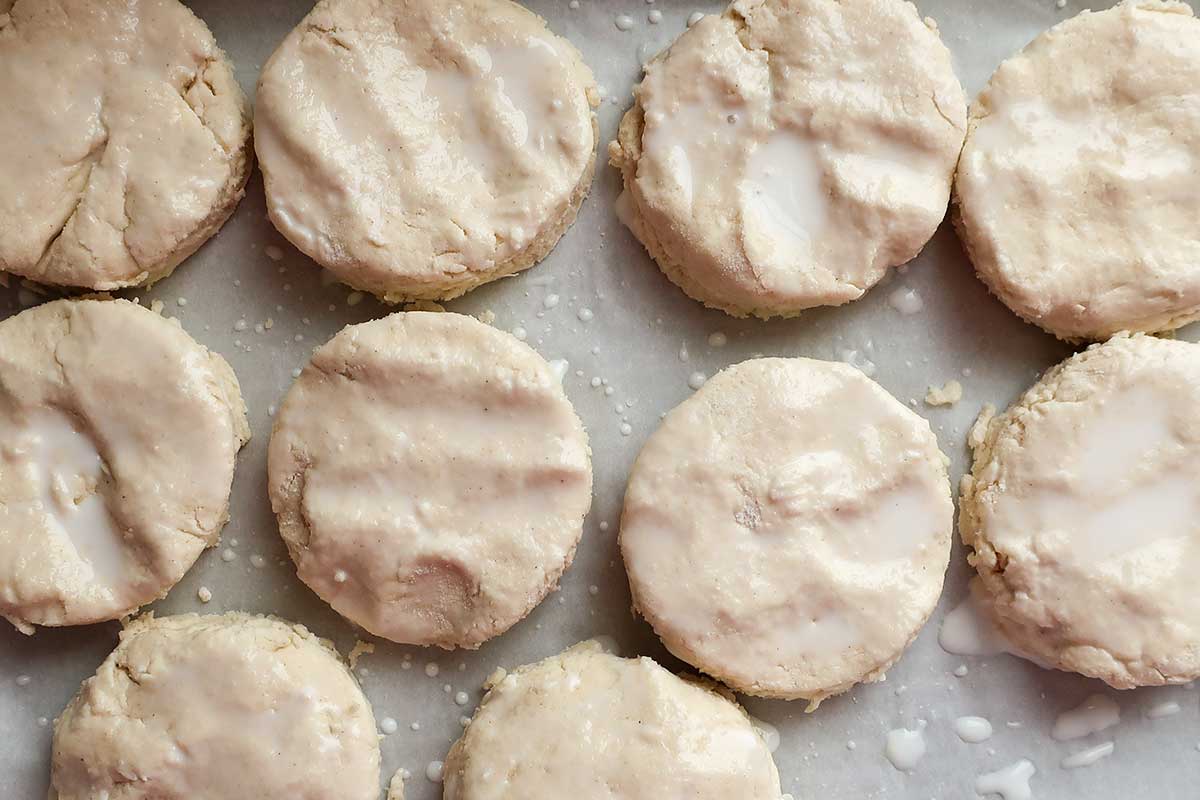
- Make ahead: Prepare the biscuits and place them on a baking sheet. Cover and refrigerate for up to 24 hoursbefore baking. Brush the tops with milk just before baking.
- Freezing: Freeze baked biscuits for up to 2 months. Cool completely, wrap tightly, and place in a freezer-safe bag or container. Thaw overnight in the refrigerator and reheat before serving.
SERVING SUGGESTIONS
These gluten-free biscuits are incredibly versatile and can be enjoyed in various ways:
- Serve them warm with butter and jam for a classic breakfast treat.
- Use them as a base for biscuits and gravy.
- Split them open and fill them with your favorite sandwich fillings for a tasty lunch option.
- Enjoy them alongside soups, stews, or chili for a comforting dinner side.
More Gluten-Free Roll Recipes to Try
Gluten Free Portuguese Rolls
Gluten Free Milk Rolls Recipe
Gluten-Free Parker House Rolls Recipe
Best Gluten Free Pull-Apart Soft Rolls
Easy Gluten-Free Butter Rolls
Hi, I’m Kristina, a gluten-free recipe developer creating and testing recipes since 2012. Every recipe on this site is made in my kitchen and personally tested (with the help of my very honest family!).
Did you make this recipe? I’d love to hear how it turned out! Leave a ⭐⭐⭐⭐⭐ rating and a quick review below, it helps other gluten-free cooks discover recipes they can trust.
Looking for more gluten-free inspiration? Subscribe to the newsletter for new recipes delivered straight to your inbox — no spam, just good food. You can join our community on Pinterest, Facebook, and Instagram.



Comments
Leah
Can I replace the sour cream with 2% yogurt or lighter greek yogurt?
Leah, yes, however use half yogurt and half milk.
Sandra
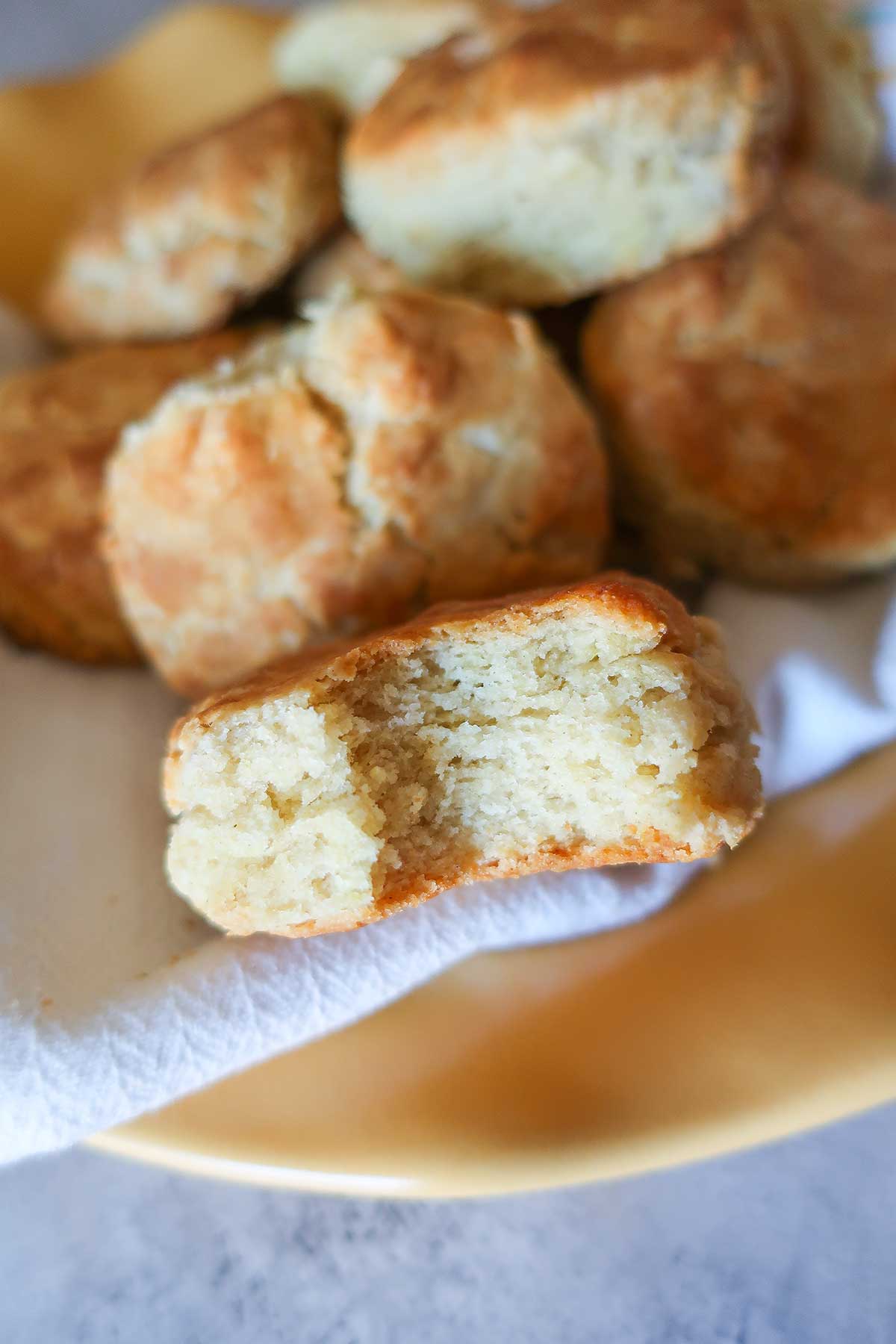
Very good biscuits. The texture is fluffy and light, hard to tell they are gluten free, thank. you
Robin
I love the recipe because it is easy, and the crumb is tender. Will make these again.