
7 Things to Know Before Starting a Gluten-Free Diet
Discovering that you have celiac disease or gluten intolerance can be a significant life change. Suddenly, the foods you have eaten for years may be off-limits, grocery shopping requires more attention, and even eating out can feel challenging.

When I first started following a gluten-free diet, I had a lot to learn. From understanding food labels to preventing cross-contact in the kitchen, the transition takes time, patience, and a little planning.
If you are new to gluten-free living, I want to help make the process easier. Here are 7 things to know before starting a gluten-free diet, along with practical tips to help you feel more confident and enjoy delicious gluten-free food.
1. Get the Right Diagnosis Before Eliminating Gluten
If you suspect you have celiac disease or gluten intolerance, the first step is to speak with your healthcare provider.
Celiac disease is an autoimmune condition in which eating gluten triggers an immune response that damages the small intestine. Non-celiac gluten sensitivity can cause similar symptoms, but it does not involve the same intestinal damage.
One important thing to know: If you are being tested for celiac disease, do not eliminate gluten before completing the recommended testing unless your healthcare provider advises you otherwise. Blood tests and intestinal biopsies may be less reliable after gluten has been removed from your diet.
Once you have a diagnosis, your healthcare provider can help you understand the dietary changes you need to make.
2. Learn Which Foods Contain Gluten
Gluten is a protein found in wheat, barley, and rye. It is present in many familiar foods, including bread, pasta, crackers, cereals, cakes, and cookies.
Unfortunately, gluten can also appear in less obvious places, such as sauces, soups, seasoning blends, marinades, processed foods, and even spices.
Here are a few important things to remember when starting a gluten-free diet:
- Read ingredient lists carefully and look for products labeled gluten-free.
- Learn the different names for wheat and other gluten-containing ingredients.
- Check sauces, condiments, seasonings, and packaged foods rather than assuming they are gluten-free.
- Choose certified gluten-free oats when appropriate, since oats can be contaminated with gluten during growing and processing.
- Remember that foods made with naturally gluten-free ingredients can still become contaminated during preparation.
Naturally gluten-free foods include fresh fruits and vegetables, eggs, plain meat and poultry, fish, beans, rice, quinoa, corn, and potatoes. These foods are excellent building blocks for a healthy gluten-free diet.
For more information, read my article about whether spices and herbs are gluten-free.
3. Prevent Cross-Contact in Your Kitchen
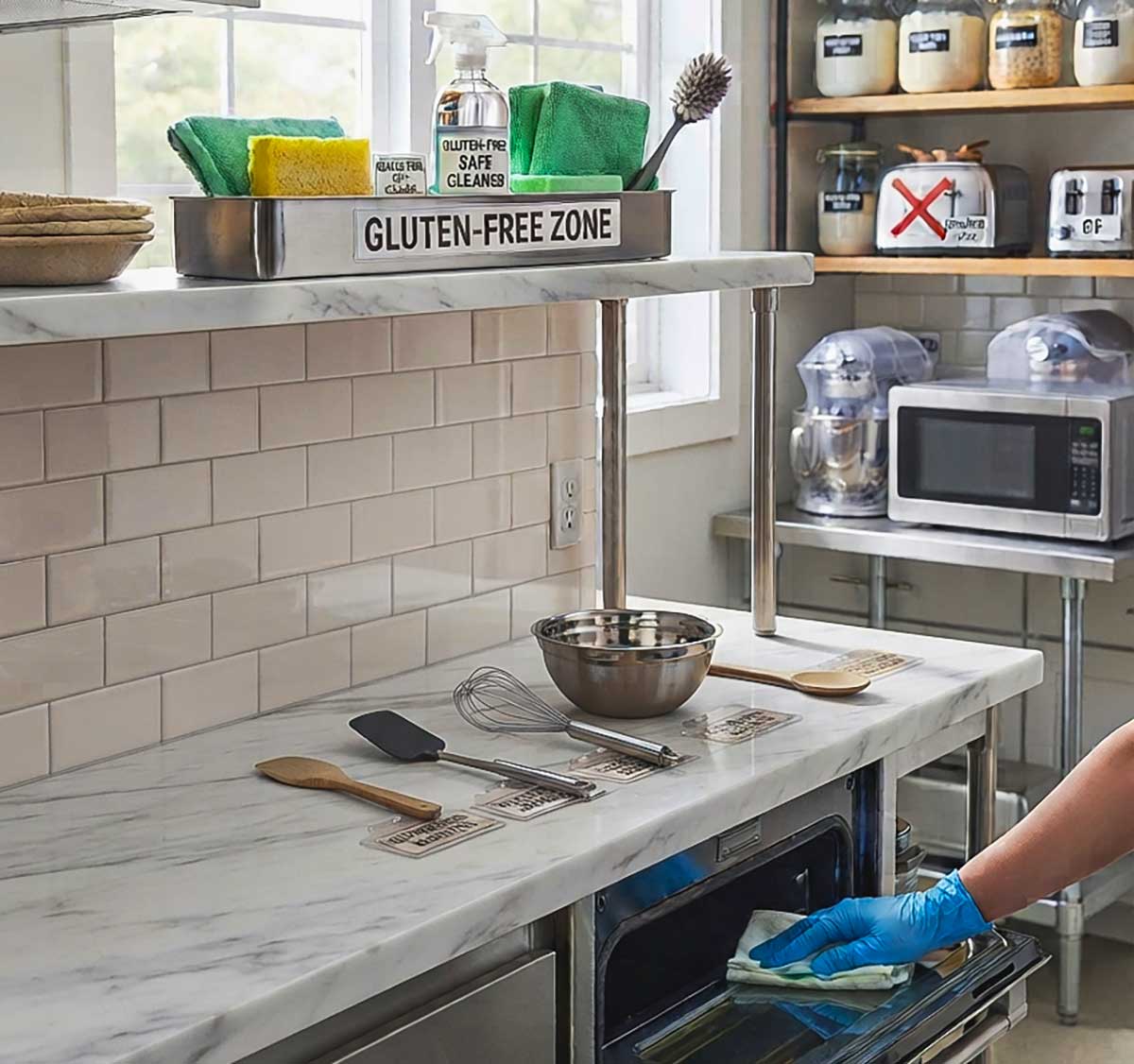
One of the most important parts of living gluten-free, particularly if you have celiac disease, is preventing cross-contact. This happens when gluten from one food or surface transfers to a gluten-free food.
If you share your home with family members who eat gluten, you do not necessarily need to make your entire kitchen gluten-free. However, you do need a reliable system for keeping your food safe.
Here is detailed information Gluten-Free Kitchen Guide: Cleaning Appliances, Utensils & More to Prevent Cross-Contamination.
Create a dedicated gluten-free area.
Keep your gluten-free ingredients, snacks, and baking supplies together in a designated pantry shelf or cupboard. This makes shopping, cooking, and meal preparation easier.
Clean your kitchen surfaces thoroughly.
Wash countertops, cutting boards, utensils, and other surfaces before preparing gluten-free food. Use clean equipment and make sure crumbs and flour residue are removed.
Pay attention to kitchen equipment.
Some items, such as scratched wooden utensils, heavily scored cutting boards, and colanders that trap food residue, can be difficult to clean thoroughly. Consider dedicating these items to gluten-free use.
A separate toaster is a must because crumbs can remain inside a shared toaster. You can also use a dedicated toaster bag as an alternative, provided it is used and maintained appropriately.
Pots, pans, plates, and cutlery made of smooth, nonporous materials can generally be shared when they are thoroughly cleaned.
Store gluten-free foods separately.
Keep gluten-free bread, flour, and other products away from crumbs and airborne flour. If you bake with wheat flour, avoid preparing gluten-free food in the same area until the flour has settled and the surfaces have been thoroughly cleaned.
I am fortunate that my home is 100% gluten-free, so I do not have to worry about gluten-containing foods being prepared alongside my meals. If you share your kitchen, a little organization and communication can make a big difference.
4. Start Cooking Simple Gluten-Free Meals
Once you understand the basics of a gluten-free diet, it is time to get comfortable in the kitchen.
If you enjoy cooking, you may find this transition exciting. If cooking is not your favorite activity, don’t worry. You do not need to become an expert gluten-free baker overnight!
My advice is to start with simple gluten-free recipes and fresh ingredients. Naturally gluten-free foods make it easier to prepare meals without worrying about complicated ingredient substitutions.
Here are my 3 easy recipes to get you started:
When shopping for packaged gluten-free ingredients, always check the labels and choose products that meet your dietary needs.
You may also want to consult a registered dietitian who specializes in celiac disease. Some packaged gluten-free products contain less fiber, iron, and certain B vitamins than their conventional counterparts, so balanced meal planning is important.
Focus on whole foods, include a variety of fruits and vegetables, and choose adequate sources of protein, fiber, and essential nutrients. If you have nutritional deficiencies, your healthcare provider can help determine whether supplements are necessary.
The more comfortable you become with simple meals, the easier it will be to experiment with new recipes.
5. Understand That Gluten Can Be Found Outside Food
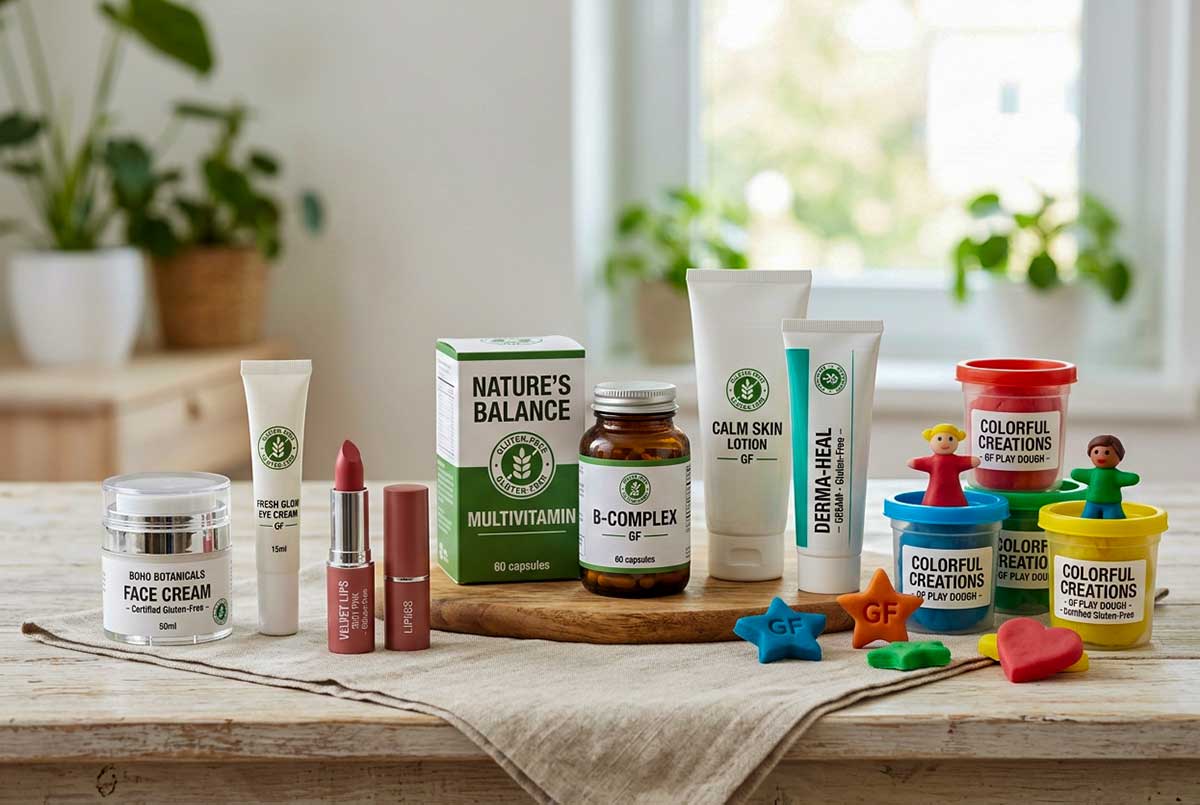
When I first started following a gluten-free diet, I had no idea how many nonfood products could contain ingredients derived from wheat or other gluten-containing grains. It took some research to understand what I needed to pay attention to and what I did not need to worry about.
Here are a few examples of products to consider.
Lipstick and lip products: Since lipstick, lip gloss, and similar products can be accidentally swallowed, people with celiac disease should use gluten-free options.
Medications and supplements: Ask your pharmacist or healthcare provider about ingredients in medications and supplements if you are concerned. Do not stop or change prescribed medication without professional guidance.
Play dough and craft materials: Some traditional play dough contains wheat flour. If you or your children handle it, wash your hands before eating or touching your mouth. If a young child might put play dough in their mouth, consider a gluten-free alternative or make your gluten-free play dough at home.
Cosmetics, shampoos, and cleaning products: Although these products may contain gluten-derived ingredients, they generally do not pose a celiac-related risk when used externally on intact skin. Focus on preventing accidental ingestion, particularly with products used around the mouth.
If you have dermatitis herpetiformis, a skin manifestation associated with celiac disease, ask your healthcare provider about appropriate skin care. Avoiding gluten in your diet is essential for managing the underlying condition.
You do not need to replace every household product simply because it contains a gluten-derived ingredient. Concentrate on the ways gluten could actually enter your mouth.
6. Be Patient, Monitor Your Health, and Find Support
Adjusting to a gluten-free diet takes time. You may need to learn new shopping habits, experiment with unfamiliar ingredients, and explain your dietary needs to friends and family.
If you have celiac disease, intestinal healing and symptom improvement can take time. Some people begin to feel better relatively quickly, while others need months or longer. Persistent symptoms should be discussed with your healthcare provider rather than automatically attributed to accidental gluten exposure.
Follow-up care is also important. Depending on your diagnosis and medical history, your provider may recommend follow-up blood tests, nutritional assessments, or a bone density evaluation.
Keeping a food and symptom diary can help you identify patterns and prepare useful information for your appointments.
What if people don’t understand?
Unfortunately, not everyone understands celiac disease or gluten intolerance.
I remember being at a party when a couple of people sitting at my table recognized me as the person behind a gluten-free recipe website. They jokingly asked whether apples contained gluten or whether I had to make them gluten-free, followed by a burst of laughter.
When I first started following a strict gluten-free diet, a comment like that would have upset me. Now, I try to recognize that many people simply do not understand the condition.
You do not need to defend your dietary needs to everyone. Celiac disease is a real medical condition, and following a gluten-free diet is not simply a lifestyle trend for those who need it.
I highly recommend finding a support group or an online community for people living gluten-free. You can exchange recipes, learn from other people’s experiences, and ask questions without feeling embarrassed.
Never be afraid to ask a question, no matter how basic it seems. Everyone has to start somewhere, and learning from others can make the transition much easier.
7. Learn How to Eat Out Safely
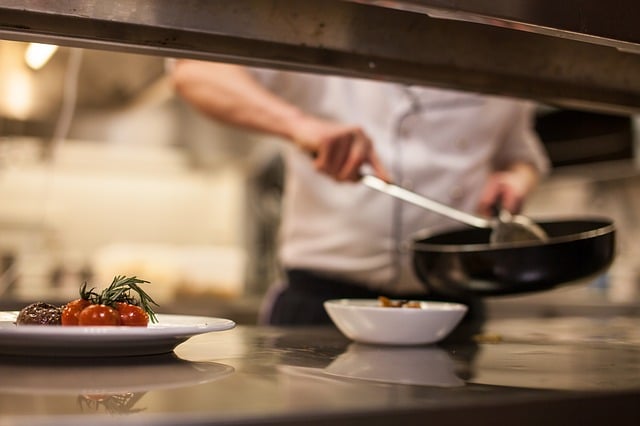
Eating at restaurants can feel intimidating when you first start a gluten-free diet, but you do not necessarily have to give up dining out.
The key is to plan ahead and communicate clearly.
Before visiting a restaurant, call and ask whether they offer gluten-free options and whether the staff can accommodate someone with celiac disease. Ask how they prevent cross-contact during food preparation.
A restaurant does not necessarily need a completely separate gluten-free kitchen, but staff should understand the importance of clean preparation surfaces, separate utensils where needed, and avoiding shared cooking water, fryers, or contaminated equipment.
When you arrive, explain that you need more than a meal without gluten-containing ingredients. You need food prepared in a way that minimizes cross-contact.
If the staff cannot confidently explain their procedures or accommodate your needs, choose another restaurant. It is perfectly reasonable to prioritize your health.
What if you accidentally eat gluten?

First, don’t blame yourself. Accidental gluten exposure can happen even when you are careful.
Unfortunately, there is no proven way to flush gluten out of your system or immediately reverse its effects. If you experience symptoms, rest, stay hydrated, and eat foods you tolerate. Follow any medical guidance you have received, and contact your healthcare provider if symptoms are severe, persistent, or concerning.
For more information, read my article on how to recover after accidental gluten exposure.
With time, you will become more comfortable identifying safe options and asking the right questions.
A Few Final Words Before Starting Your Gluten-Free Diet
Starting a gluten-free diet can seem overwhelming at first, but you do not have to figure everything out in a single day.
Begin by getting the right diagnosis, learning which foods contain gluten, and making your kitchen safer. Then focus on simple meals, balanced nutrition, and finding reliable sources of information and support.
If you have celiac disease, maintaining a strict gluten-free diet is essential, even when you feel well. If you have non-celiac gluten sensitivity, work with your healthcare provider to determine the dietary approach that best suits your needs.
Remember to be patient with yourself. You will learn as you go, and each new skill will make gluten-free living feel more manageable.
Ready to Start Cooking?

Gluten Free New York-Style Pizza recipe –>
At Only Gluten Free Recipes, you will find well over a thousand tried-and-tested gluten-free recipes to inspire your next meal.
From easy breakfasts and everyday dinners to breads, muffins, and desserts, there is something for everyone, including family members who do not follow a gluten-free diet.
Explore the recipes, start with something simple, and discover just how delicious gluten-free cooking can be!
Disclaimer: This article is not intended to provide medical advice, diagnosis or treatment. Views expressed here do not necessarily reflect those of only gluten-free recipes or its staff.
Affiliate Disclosure: Only Gluten-Free Recipes is a participant in the Amazon Services LLC Associates Program, an affiliate advertising program designed to provide a means for sites to earn advertising fees by advertising and linking to amazon.com. Please check out my sponsorship and disclosure policy page for more details
Hi, I’m Kristina — I’ve been developing and testing gluten-free recipes in my own kitchen since 2012, with help from my very honest family.
Did you make a recipe? Leave a ⭐⭐⭐⭐⭐ rating and a quick review, it helps other gluten-free cooks find recipes they can trust. For more, join me on Pinterest, Facebook, and Instagram.