
Why Am I Feeling Worse After Going Gluten-Free?
Are you feeling worse after going gluten-free? You are not alone.
Fourteen years ago, my daughter became very ill. She suffered from terrible nerve pain, severe skin issues, and unexplained tiredness, and we felt completely helpless. We consulted top neurologists and ran countless tests, but no one could give us answers.
Finally, we went to the Mayo Clinic. That is where we learned that gluten was the problem. Once we cut out gluten completely, her nerve pain, skin issues, and tiredness went away and she healed.
Watching Diana transform inspired me to dedicate my life to helping others navigate this major lifestyle change. You can read more about my story and how I became a gluten-free recipe creator here on my About Me Page. Her journey is the exact reason I started creating recipes, to help other families find their way to healing.
But what if you stop eating gluten and you actually feel worse?
If your stomach issues are not improving, your joint pain is flaring, your anxiety is high, or you feel weak and shaky after a few weeks, it is normal to feel frustrated. You made a big change expecting to feel better, not worse.
If your body is struggling right now, you are not crazy. Here is why you might be feeling worse after going gluten-free, and how to fix it in simple steps.
Why Gluten-Free Diet Symptoms Look Different for Everyone
It is important to know that gluten does not cause the same symptoms for everyone. One person might get a stomach ache, while another person gets severe nerve pain, joint pain, anxiety, or skin rashes. Because gluten causes inflammation, it attacks the weakest part of your specific body. When you stop eating gluten, your body’s healing process will also look different than someone else’s.
Feeling Worse After Going Gluten-Free? Watch Out for the Packaged Food Trap
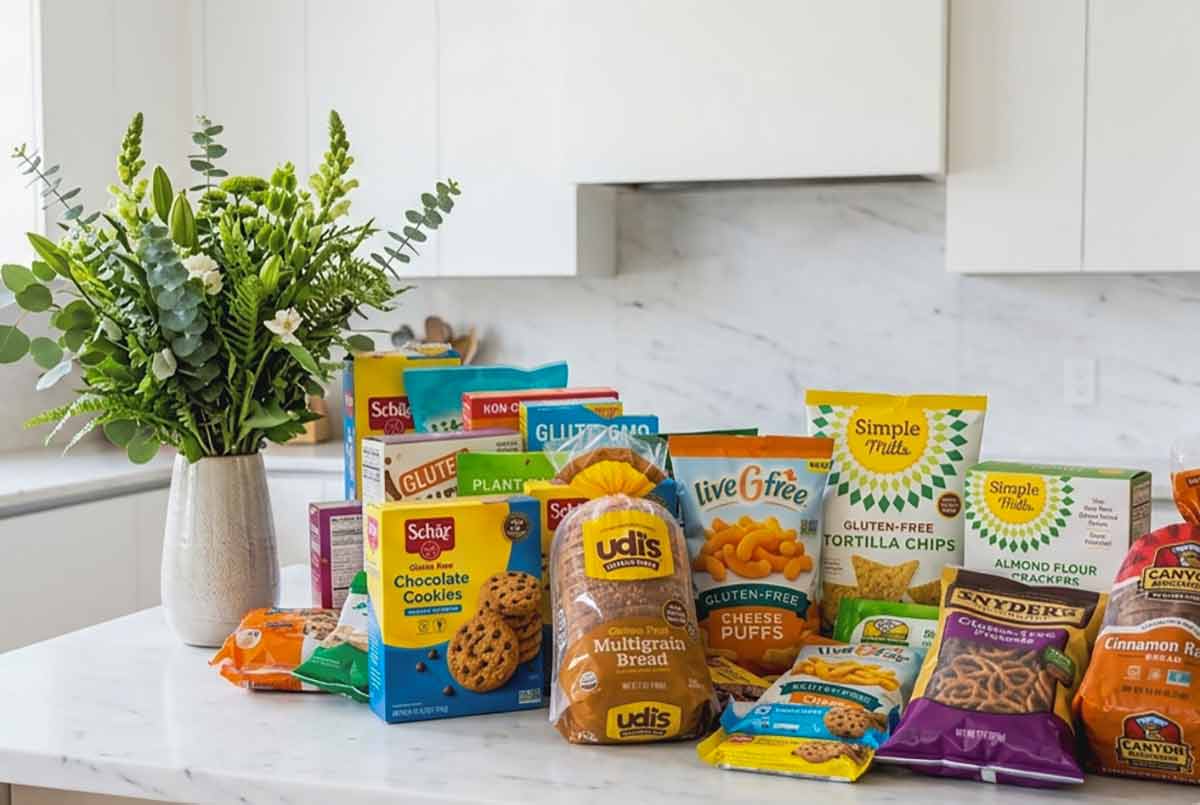
When people first stop eating gluten, they usually buy gluten-free breads, cookies, and pastas from the store. To make these foods taste good, companies use a lot of white rice flour, potato starch, tapioca starch and extra sugar.
- The Problem: These packaged foods cause your blood sugar to go up very fast and then drop very fast.
- The Symptoms: When your blood sugar drops quickly, your body gets stressed. This may cause shakiness, jitteriness, and high anxiety.
Feeling Weak on a Gluten-Free Diet? You Might Be Missing Energy-Rich Foods
Gluten is in so many things. When you suddenly stop eating it, you might be eating much less food and fewer carbohydrates without realizing it.
When your body does not get enough food, you will feel very tired, weak, and shaky. Your body needs steady fuel to feel good.
You Are Missing Important Vitamins
Regular wheat flour usually has extra vitamins added to it, like B vitamins. Many gluten-free packaged foods do not have these extra vitamins.
B vitamins help protect your nerves, can support skin healing, and keep your mood calm. If you suddenly lose these vitamins, it can cause more anxiety, brain fog, and shaky feelings.
Sudden Gluten-Free Side Effects: The “No Cheating” Rule
This is a very important rule: you cannot cheat on a gluten-free diet. Even a tiny crumb of gluten can make you feel sick or bring back your stomach issues, nerve pain, skin issues, and joint pain.
Gluten can be hidden in sauces, spices, and even on kitchen tools like toasters or cutting boards. If you are still feeling bad, a tiny bit of gluten might be getting into your food by accident.
Essential Tips for Your Gluten-Free Journey:
- 10 Celiac Disease Myths: Busting Common Misconceptions
- Gluten-Free Kitchen: A Comprehensive Guide to Cleaning
- 6 Benefits of a Gluten Free Diet
- 10 Gluten-Free Grains That Can Be Substituted For Wheat
- Which Cutting Board To Use And How To Keep It Clean!
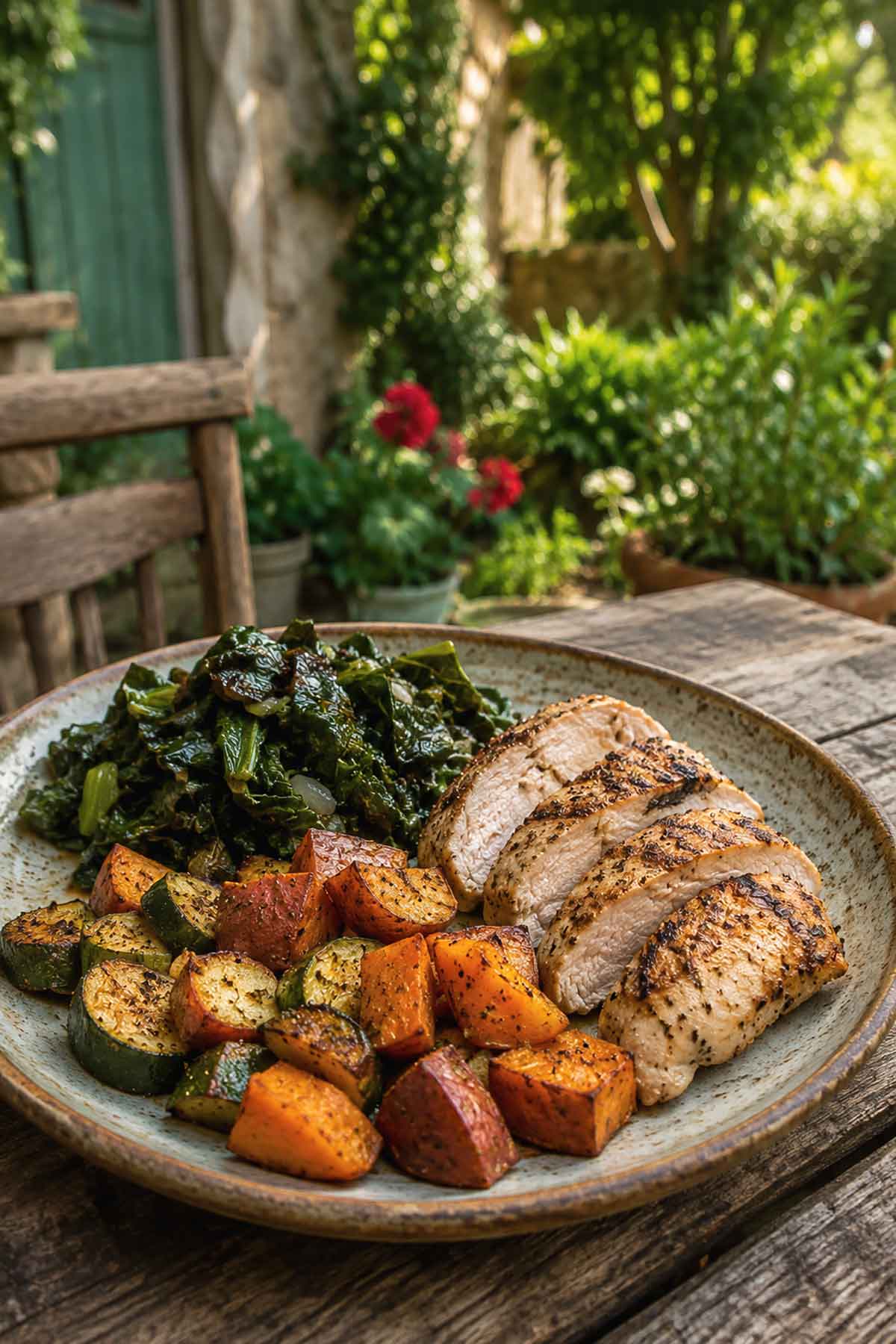
How to Stop Feeling Sick After Going Gluten-Free: Eat Whole Foods

If you are a few weeks into gluten-free eating and feeling terrible, step away from the gluten-free boxes and packages. Instead, eat naturally gluten-free whole foods. Check out the 7 Things to Know Before Starting a Gluten-Free Diet.
Try to build your naturally gluten-free meals around clean proteins (like chicken or fish), check out my famous Caribbean Fish Curry, healthy fats, vegetables, and simple carbs like sweet potatoes, acorn squash, butternut squash, potatoes or yams.
This is a great naturally-gluten-free recipe Squash Boats with Cheesy Meatballs in Marinara, because it’s hearty and low-carb. This will keep your blood sugar steady and will help with the shakiness. Or try my hearty salads packed with protein and fiber.
Try This Meal: 30 Minute Healthy Chicken Stew (Paleo, Gluten-Free, Whole30. This is exactly the kind of simple, healthy meal I made for my daughter when we were helping her body heal from nerve pain and skin rashes.
When to Ask a Doctor
It takes time for the body to heal. Stomach issues, pain, rashes, and anxiety can take a few weeks or months to get better. However, you should not have to live with severe shakiness or pain that gets worse.
If you change your diet to simple, whole foods and you still feel worse after a few weeks, please consult with a healthcare professional or a registered dietitian.
Common Gluten-Free Diet Mistakes & Concerns
How long does it take to feel better after going gluten-free? Some stomach issues may improve within a few days. But deeper problems like nerve pain, skin issues, joint pain, and anxiety can take weeks or even months to improve as your body heals.
Can stopping gluten cause anxiety? Yes, but usually because people eat too many sugary gluten-free snacks. These snacks cause blood sugar drops, which make you feel anxious and shaky. Eating whole foods may help to stop this.
Why am I so shaky on a gluten-free diet? Shakiness can mean you are not eating enough calories, or your blood sugar is dropping from eating processed gluten-free breads and snacks.
Final Thoughts: Be Patient with Your Body
Switching to a gluten-free diet is a big journey. Remember that your body did not get sick overnight, and it will take some time to fully heal. Take it one day at a time, focus on real whole foods, and protect your kitchen from hidden crumbs. You can do this! You may also enjoy reading Learn How To Cook With Healthy Fat.
The Content is not intended to constitute, and should not be construed as, medical advice, diagnosis, treatment, or nutritional counseling. You should consult a qualified physician or other licensed healthcare professional before making any material changes to your diet, nutrition, supplementation, or lifestyle, particularly if you have any medical condition, food allergy, intolerance, or other health-related concern.