
Which Cutting Board To Use And How To Keep It Clean
Whether you’re chopping, slicing, or carving, a quality cutting board is an essential tool in every kitchen. But not all cutting boards are the same, and improper care or cleaning can lead to harmful bacteria buildup. To prevent foodborne illness and ensure your family’s health, it’s crucial to select the right cutting board material and clean it properly.
In this guide, I’ll walk you through how to choose the best cutting board for your needs and the best practices for keeping it safe and bacteria free.
Types of Cutting Boards: Pros and Cons of Wood, Plastic, Bamboo, and Marble
When it comes to choosing the right cutting board, the material matters. The most popular options are wood, plastic, bamboo, and marble/granite, each with its own set of benefits and drawbacks.
Personally, I’m a fan of bamboo cutting boards. They’re not only eco-friendly and durable but also naturally resistant to water, which helps prevent harmful bacteria buildup. Bamboo is a sustainable material, making it an excellent choice for those looking to reduce their environmental impact. However, one downside is that bamboo can be rough on your knife blades, dulling the edge over time if you’re not careful.
Choosing the Right Cutting Board Size for Different Kitchen Tasks
The size of your cutting board is just as important as the material when it comes to food preparation. In my kitchen, I use a range of cutting board sizes to ensure I have the right tool for every task:
-
6 x 8 inches: Perfect for slicing small fruits, prepping snacks, or cutting herbs.
-
12 x 14 inches: I keep three of these—one dedicated to produce and the other for meat and fish.
-
15 x 20 inches: Ideal for carving large items like roasts or slicing bread.
I separate my three 12 x 14-inch boards for food safety—one is exclusively used for fresh produce and items that will be eaten raw, one is for gluten-free food only, while the other is reserved for handling dairy, meat, and fish.
This segregation is essential to avoid cross-contamination. Be sure to thoroughly sanitize your meat and dairy boards after each use to protect your family from harmful bacteria. If anyone in your household has sensitivities to gluten, shellfish, or other allergens, using a separate cutting board is a must to prevent allergic reactions or contamination.
How to Clean and Maintain Your Cutting Board for Longevity and Hygiene
Proper maintenance is crucial to extending the lifespan of your cutting board while ensuring it remains hygienic and safe to use. Here are some key tips for cleaning and caring for different types of cutting boards:
1. Cleaning Wooden and Bamboo Cutting Boards
Wood and bamboo boards are prone to absorbing moisture and bacteria if not cleaned properly. To clean these types of boards:
-
Hand Wash Only: Never put wood or bamboo boards in the dishwasher, as the high heat can cause them to crack or warp.
-
Use Warm, Soapy Water: Clean your board with warm water and mild dish soap after each use. Scrub with a soft sponge or brush to remove food particles and bacteria.
-
Dry Immediately: After cleaning, wipe your board dry with a towel and let it air dry completely before storing it.
-
Oiling Regularly: To keep your board from drying out or cracking, oil it regularly (once a month or more, depending on use) with food-safe mineral oil or beeswax-based products.
2. Cleaning Plastic Cutting Boards
Plastic cutting boards are more resistant to moisture than wood or bamboo, but they can still harbor bacteria in cuts and grooves.
-
Dishwasher Safe: Most plastic boards can be safely cleaned in the dishwasher, which helps to sanitize them at high temperatures.
-
Scrub with Baking Soda: For stubborn stains or odors, scrub your plastic board with a paste of baking soda and water. This helps remove any lingering smells or discoloration.
3. Cleaning Marble or Granite Cutting Boards
While marble and granite boards are incredibly durable and easy to clean, they can be heavy and may dull knives faster. To clean:
-
Wipe with Soap and Water: Use mild dish soap and warm water for regular cleaning. Be sure to dry the board thoroughly.
-
Avoid Harsh Cleaners: Avoid using acidic cleaners or bleach, as they can damage the surface and cause it to lose its sheen.
4. General Tips for Cutting Board Hygiene
-
Sanitize After Every Use: Always sanitize your board after preparing raw meat, poultry, or fish. Use a food-safe disinfectant or a mixture of 1 tablespoon of bleach in 1 gallon of water for effective sanitization.
-
Avoid Cross-Contamination: As mentioned earlier, dedicate separate boards for produce and meats to prevent cross-contamination, especially if someone in your household has allergies or sensitivities. And always use a separate cutting board for gluten-free ingredients.
- Deodorizing
- Pour 2 tablespoons of pure vinegar on the board and spread with a cloth.
- Let sit for 5 minutes, then rinse and dry. The vinegar neutralizes odors and acts as a disinfectant.
- Removing Stains
- Sprinkle coarse salt and baking soda on the board.
- Scrub with a brush dipped in hot water to remove stains.
-
Inspect for Damage: Check your cutting board regularly for deep grooves or cracks where bacteria can hide. If the board is worn out, it may be time to replace it to ensure optimal hygiene.
Types of Cutting Boards and Their Best Uses
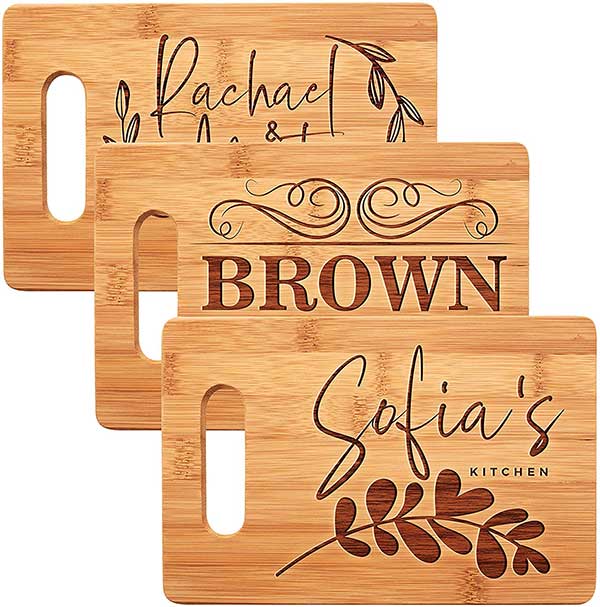
Wood board ~ is great for foods that can be eaten raw like fruits and vegetables. It is the best choice for maintaining a knife’s edge.
Bamboo board ~ is dense enough to resist knife scarring and naturally resists water penetration and bacteria. You can use this board for everything providing that you clean it properly. When shopping for a bamboo board, look for ones that are manufactured with formaldehyde-free glues and non-toxic treatment methods.
Plastic board ~ If you are cutting onions or garlic, plastic boards are a good choice because they will not absorb the smell. They can be sanitized in the dishwasher up until scuffed, which is when it is more difficult to remove bacteria. You should throw the board away about every two years or less depending on your usage.
Marble board and Granite boards ~ are excellent for making pastries, or any kind of dough because they hold their temperature (cold or warm), and they don’t absorb liquids. They are also super easy to clean. Do no use knives on these boards or they will dull very quickly.
How To Oil and Maintain a Wooden Cutting Board
– Clean and dry your board
– Apply coconut oil or mineral oil evenly with a soft clean cloth
– Soak the oil overnight
– If the board feels oily after soaking, rub off any remaining oil with a clean soft cloth
I oil my boards before first time use and once a month to keep them beautiful.
Final Thoughts: Choosing and Caring for Your Cutting Board
Selecting the right cutting board and maintaining it properly is essential for food safety. Whether you choose bamboo, wood, plastic, or marble, each material has its benefits—just make sure to pick the one that fits your needs. Always clean and sanitize your board regularly, separate boards for raw meats and produce, and oil wooden boards to keep them in top condition.
With the right care, your cutting board will help prevent cross-contamination and ensure your kitchen stays safe and hygienic for years to come.
Affiliate Disclosure: Only Gluten-Free Recipes is a participant in the Amazon Services LLC Associates Program, an affiliate advertising program designed to provide a means for sites to earn advertising fees by advertising and linking to amazon.com. Please check out my sponsorship and disclosure policy page for more details