If you’ve ever tried making gluten-free French bread, you know the drill, the recipe demands four different obscure flours, a commercial blend that tastes like cardboard, or it relies heavily on potato and corn starches that leave the bread gummy.
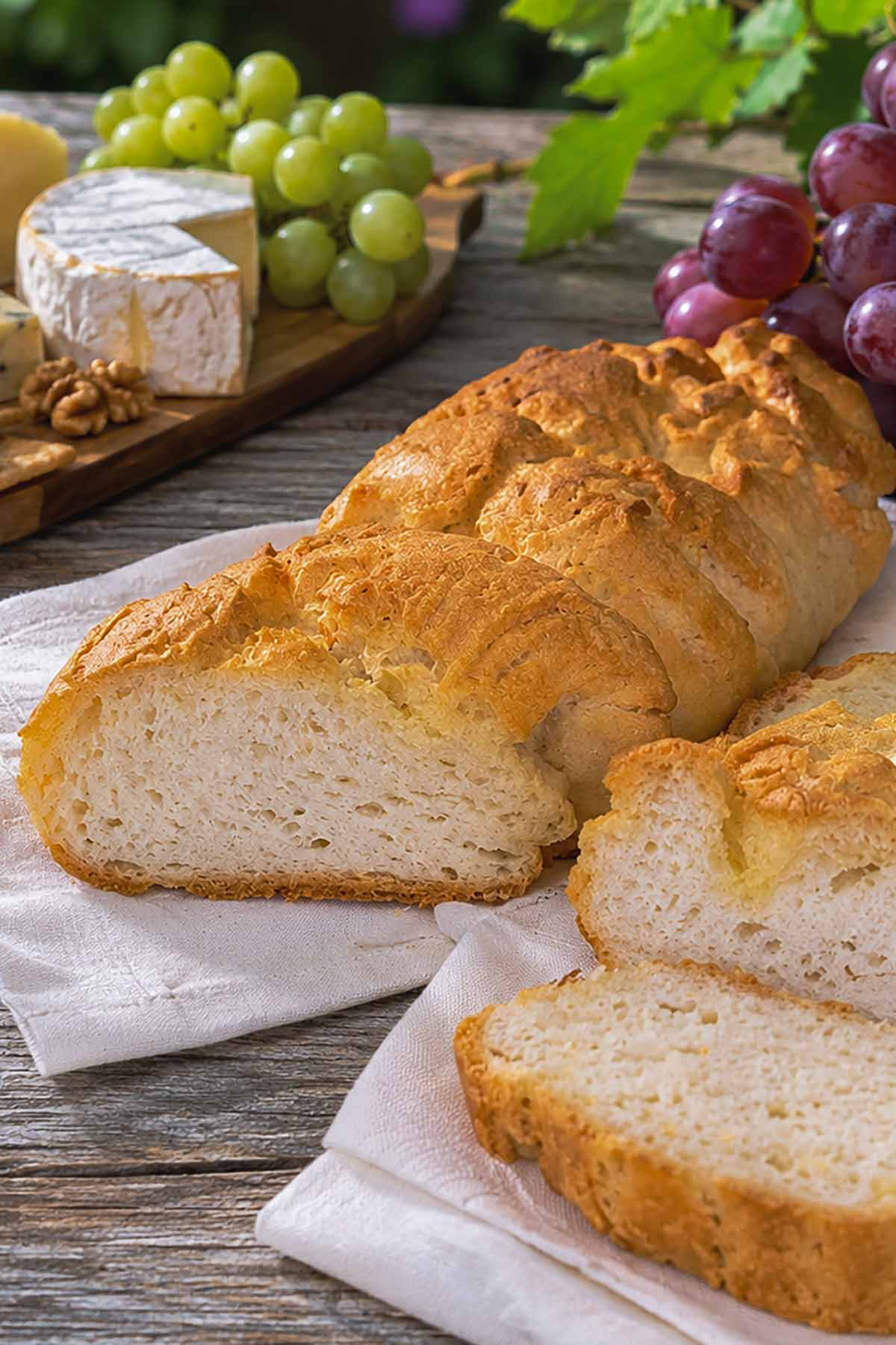
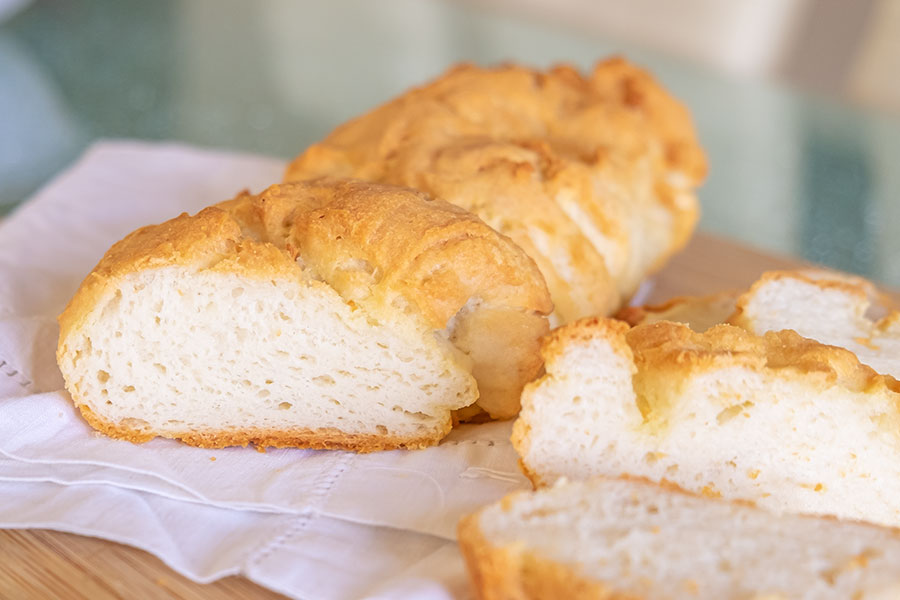
This recipe changes everything. By using minimalist blend of just white rice flour and arrowroot starch, this crusty French bread achieves that beautiful, bakery-style crisp crust with a light, airy, and chewy interior.
Even better? It is dairy-free, corn-free, and potato-free, making it a dream for sensitive bellies.
The Science: Why This 2-Flour Blend Works
Most bakers think you need a complex formulation to mimic wheat gluten. Here is why this specific pairing hits the jackpot:
- White Rice Flour (The Structure): It provides a clean, neutral flavor base and a crisp exterior without making the bread dense or gritty.
- Arrowroot Starch (The Chew): Unlike tapioca starch, which can sometimes make bread overly rubbery, or potato starch, which can make it heavy, arrowroot creates a delicate, flexible crumb that mimics the authentic “stretch” of traditional French baguettes.
Stop! Don’t Add More Flour (The 20-Minute Rest Trick)
The number one reason people fail at gluten-free bread baking is that they treat the dough like wheat dough.
When you finish mixing this recipe, the batter will look too thin. Your instinct will be to dump more rice flour in. Don’t do it!
Because gluten-free grains take longer to hydrate than wheat, you must let the batter rest for 30 minutes before shaping. During this time, the white rice flour acts like a sponge, absorbing the water, apple cider vinegar, and oil. When the timer goes off, you’ll be left with a perfectly settled, scoopable dough ready for the pan.
Smart Substitutions for Sensitive Diets
Need to swap an ingredient based on what’s in your pantry? Keep these allergen-friendly guidelines in mind:
- Arrowroot Starch: Can be swapped 1:1 with tapioca starch/powder. This will yield a slightly chewier texture but keeps the recipe entirely nightshade-free (potato starch), and corn-free.
- Pure Maple Syrup: You can use an equal amount of raw honey, or agave. The yeast needs a fast-acting sweet source to feed on and activate.
- Apple Cider Vinegar: Substitute with an equal amount of fresh lemon juice or white vinegar. This acid is vital because it softens the rice starch, resulting in a higher rise and a softer interior crumb
Troubleshooting & Baker’s Notes

- My bread didn’t rise enough: Check your yeast and water temperature. Water above 110°F will kill active dry yeast, while water below 105°F won’t wake it up.
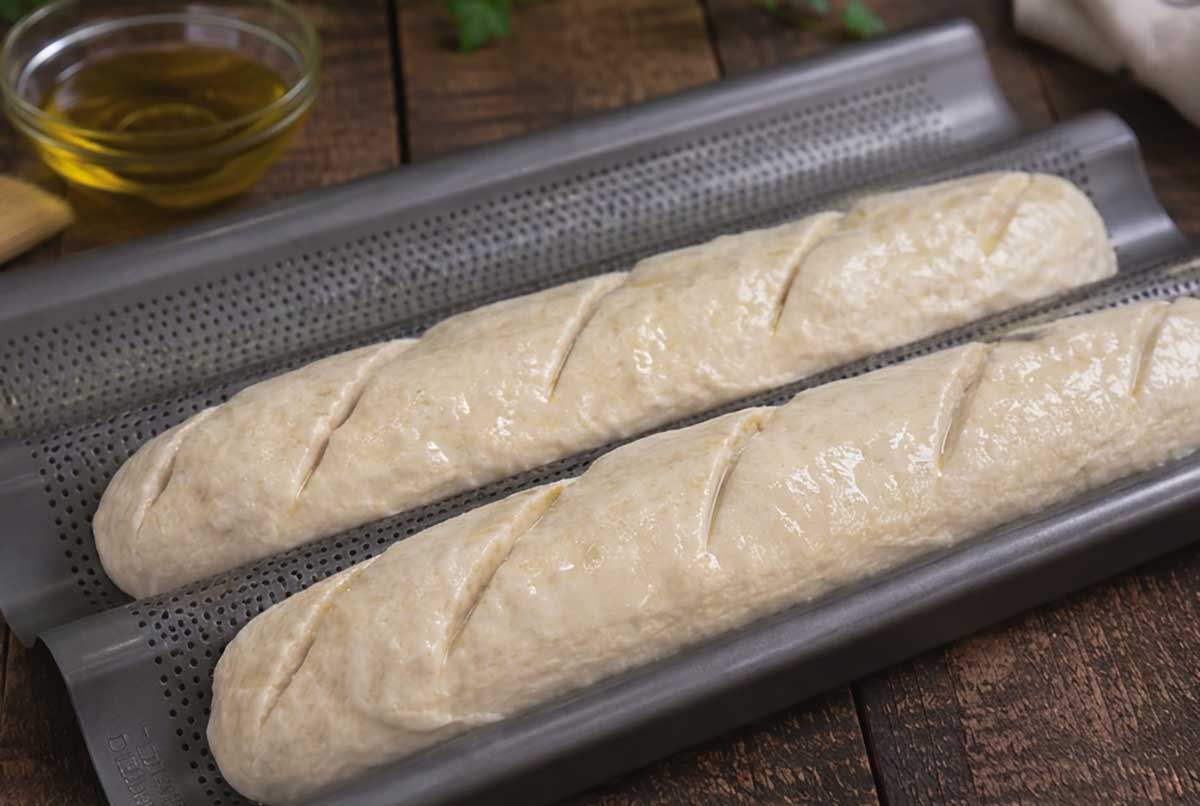
- Do I absolutely need a French bread pan? While a perforated French bread pan is highly recommended because it forces the wet dough upward into a beautiful loaf shape and allows bottom heat circulation, you can use a parchment-lined baking sheet. If using a flat sheet, shape the dough slightly narrower, as it will spread more horizontally during the rise. The bread will be flatter.
- Can I make it egg-free? The egg whites provide critical structural protein that replaces the missing gluten. For the best bakery texture, stick to real egg whites. This is not negotiable. If you must, you can try one of my egg-replacements, here are the best choices. But be warned, the bread will not be the same.

One Loaf, Many Uses: Beyond the Dinner Table
Because this gluten-free French baguette has an authentic, sturdy texture that doesn’t crumble like typical store-bought gluten-free loaves, it is an incredible bread for many uses. Don’t let a single crumb go to waste!
- The Ultimate Garlic Bread: Split the loaf lengthwise, slather generously with garlic butter (or a dairy-free alternative) and parsley, and broil for 2–3 minutes until golden.
- Gourmet GF Croutons: Toss stale cubes of this bread in extra virgin olive oil, garlic powder, sea salt, and Italian seasoning. Bake at 350°F for 15–20 minutes for perfect, crunch-retaining soup and salad toppers.
- Zero-Waste Breadcrumbs: Have leftover ends? Pulse them in a food processor and toast the crumbs lightly in the oven. They freeze beautifully and act as a perfect, crispy binding agent for gluten-free meatballs, meatloaf, or a crunchy mac-and-cheese topping.
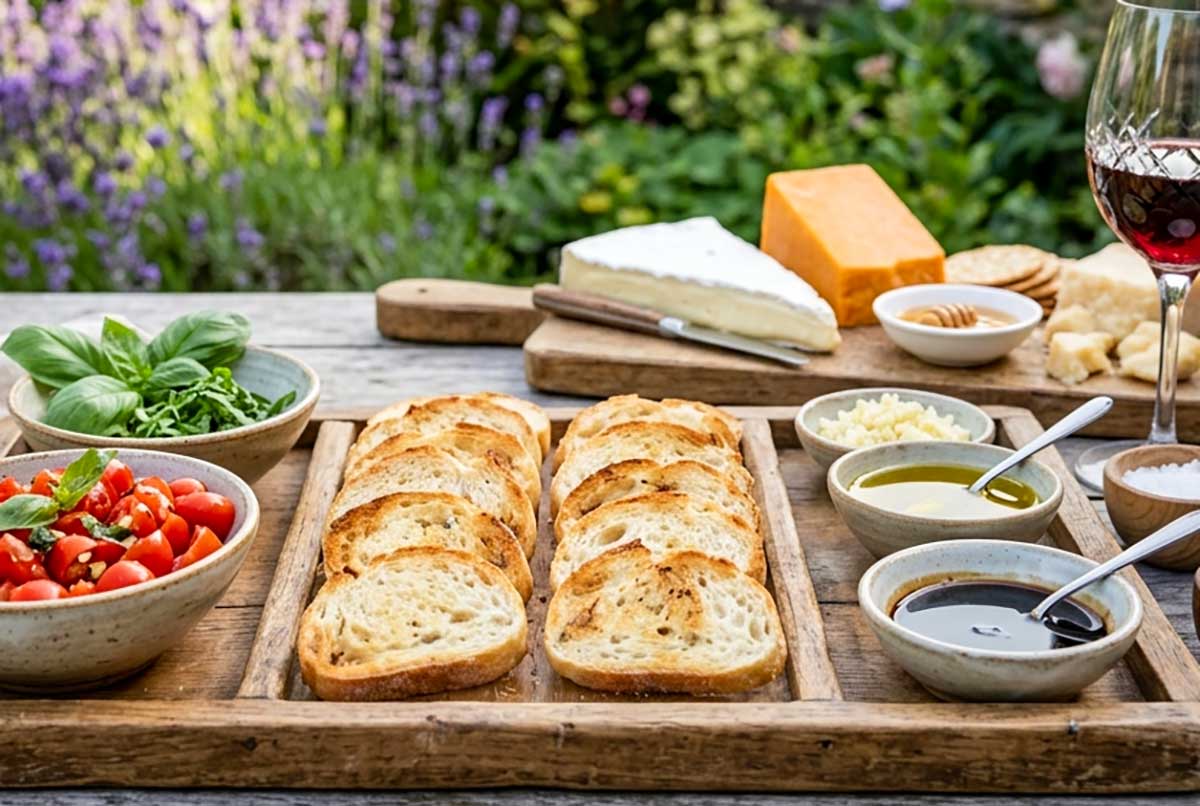
- Crostini & Bruschetta: Slice thinly, brush with olive oil, and bake until crisp. Top with fresh tomatoes and basil for an elegant appetizer that won’t get soggy.
Serving Ideas for Every Day Meals

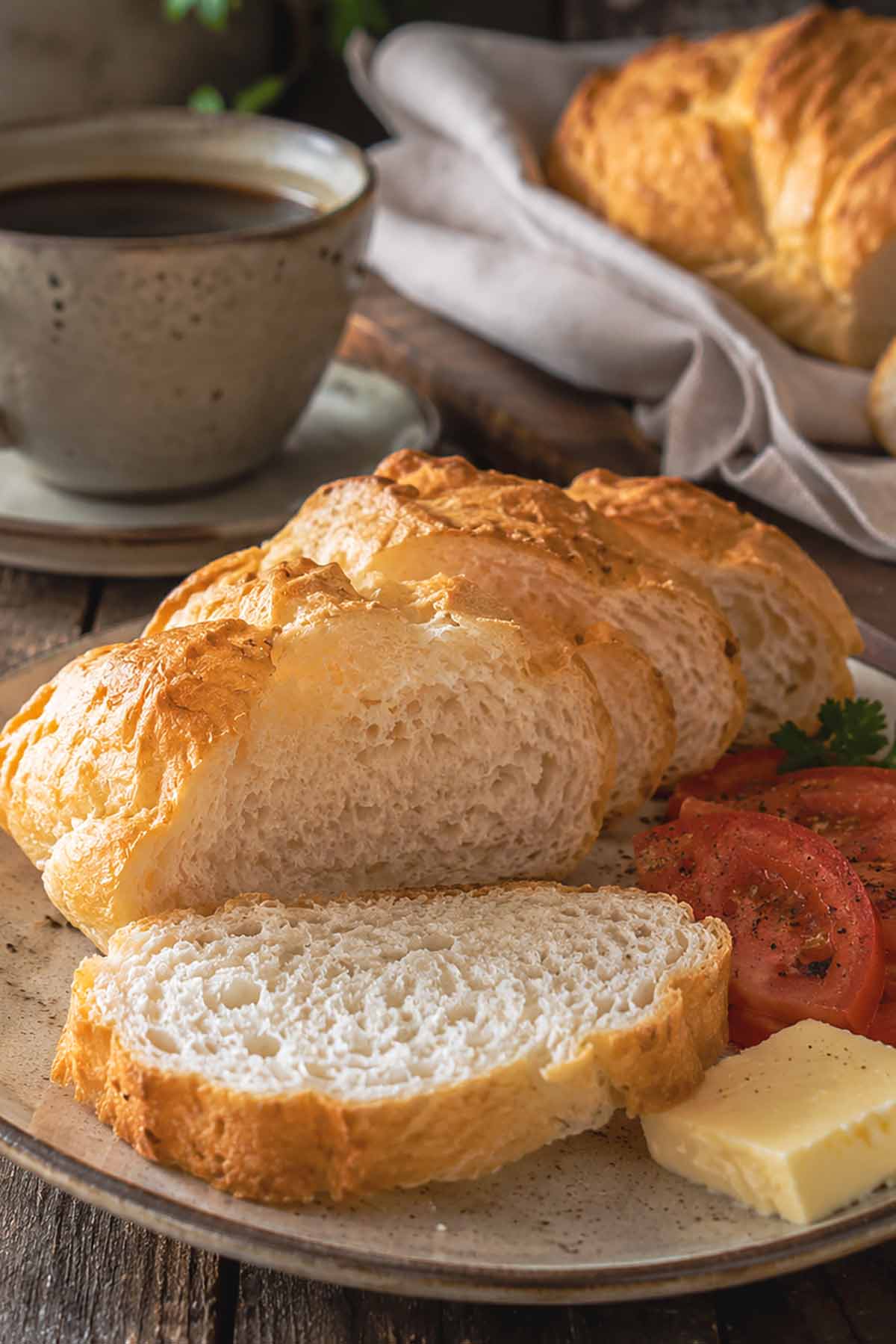
It’s easy to see why gluten-free French bread is so popular. Imagine soft, pillowy white bread with a thin, crispy crust. Beyond the pure satisfaction of tearing into a freshly baked loaf, it serves as the ultimate side to your favorite soup like Fresh Tomato Soup, or with one of my hearty stews. Personally, I love pairing it with a chilled vichyssoise soup.
If you are looking for a basic white sandwich bread try my delicious and easy to make gluten-free white bread recipe.
Hi, I’m Kristina I’m a professional gluten-free recipe developer, and every recipe on this site is created and personally tested in my kitchen. If you love this recipe, please leave a ⭐ star rating and a quick review below, it helps other readers find my recipes!
Want more gluten-free inspiration? Sign up for the Newsletter so you never miss a recipe, or join our community on Pinterest, Facebook, and Instagram.




Comments
Sally K.
Thank you, the French bread turned out perfect!!!
I am so happy that you enjoyed it. Thank you for letting me know.
Penny
Easiest bread recipe I have made in a very long time, and so delicious. thank you
W hunt
Will make this today and I love how you spread the instructions, however !
Mix dry ingredients...what is active dry yeast if not a dry ingredient ? So, now I'm left to wonder what is mixed with what and when? I guess yeast is kept out of the last of dry ingredients.
Sorry about the confusion, yes the yeast is separate from the dry ingredients. I have changed the wording hope it helps.
Nathaly Saucier Livano
Thank you for this recepy! I'm willing to try it but do you have the measurements in gr or oz?
This recepy makes 1 or 2 baguettes?
Hi Nathaly, this recipe makes one baguette. Here is a link for weight chart. Hope this helps and thank you! https://www.kingarthurbaking.com/learn/ingredient-weight-chart
Steph
I do not have a baguette pan. Can i still make this receipe or what else can I use in it's place?
if you have heavy duty foil you can make one of the foil. If you don’t use something to keep the baguette style shape the bread will be wider and flatter. I have made it with the foil paper and the baguette shape was good. Good luck
Beverly
I made this baguette it turned out ok but was gooey inside in some places I put it back in the oven and that seemed to help....do u think I should have cooked it longer than 40 mins or maybe too much xanthan gum? Also I didn’t have a baguette pan but made one out of foil as you suggested
I am sorry, sometimes oven temperatures vary or high altitude, this could be the factor. I made mine in foil the very first time, and it worked. Maybe next time bake the baguette a little longer. The baguette pan also helps
John Maxeiner
I am hoping to use this recipe to make some hoagie buns. I grew up loving the hoagies a shop in my town made! Now I am gluten intolerant! Sure hope this works!!
have you tried out gluten-free hot dog buns? Either recipe should work, let us know how they turn out!
Psychic Christie Sadler
This bread is amazing!!! Thank you so much for sharing!!
I am so happy you enjoyed the French baguette Christie, thank you
Jessica
Do you have a substitute for the arrowroot please?
yes Jessica, you can use tapioca, potato starch (not flour), and cornstarch.
Kathleen
This recipe is so easy and the French bread turned out so good! But I recommend using a baguette pan.