Authentic Hungarian Cabbage Rolls (Töltött Káposzta)

14 Reviews
Published Mar 20, 2014 ∙ Kristina Stosek

This post may contain affiliate links, please see our privacy policy for details.

These authentic Hungarian cabbage rolls, known as töltött káposzta, are made with tender fermented cabbage leaves wrapped around a savory beef, pork and veal filling with rice, onion, garlic and herbs. The rolls are slowly braised in a simple tomato sauce until the meat is tender and the cabbage is infused with rich, tangy flavor.

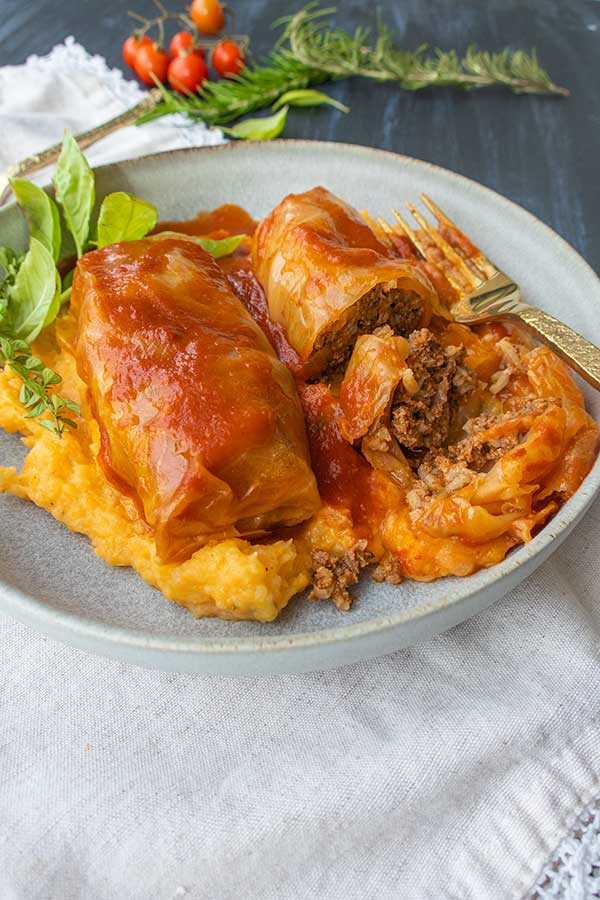
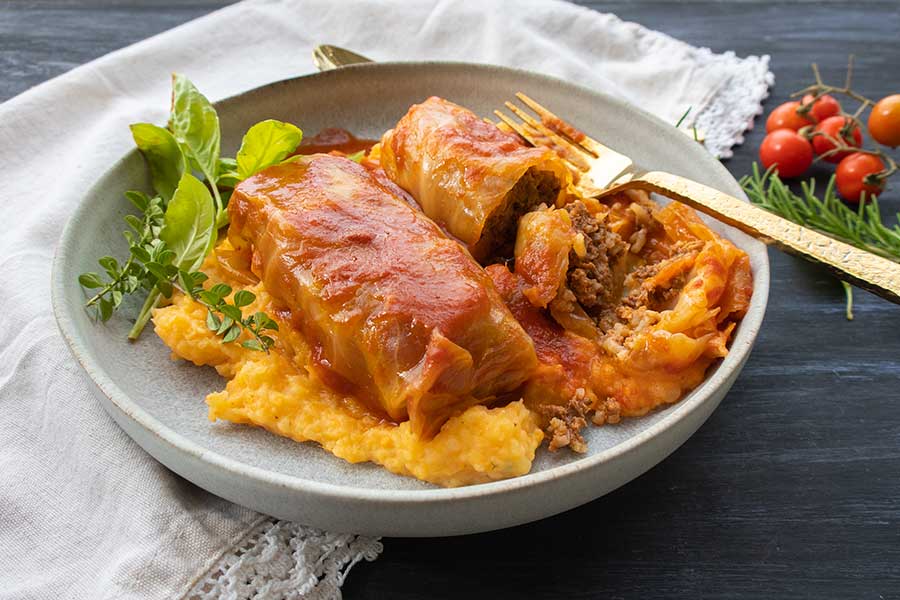
2 Authentic Hungarian Cabbage Rolls (Töltött Káposzta) on a plate showing the filling in one

This is not a recipe to rush. Slow braising gives the meat filling time to become tender while the fermented cabbage flavors the tomato sauce. And like many traditional braised dishes, Hungarian cabbage rolls are even better the next day.

Naturally gluten-free, comforting and deeply flavorful, these cabbage rolls are especially satisfying during the colder months.

This is my grandmother’s Hungarian cabbage roll recipe, passed down from her family in Hungary. Like many traditional family recipes, it is simple, hearty and made to be shared.

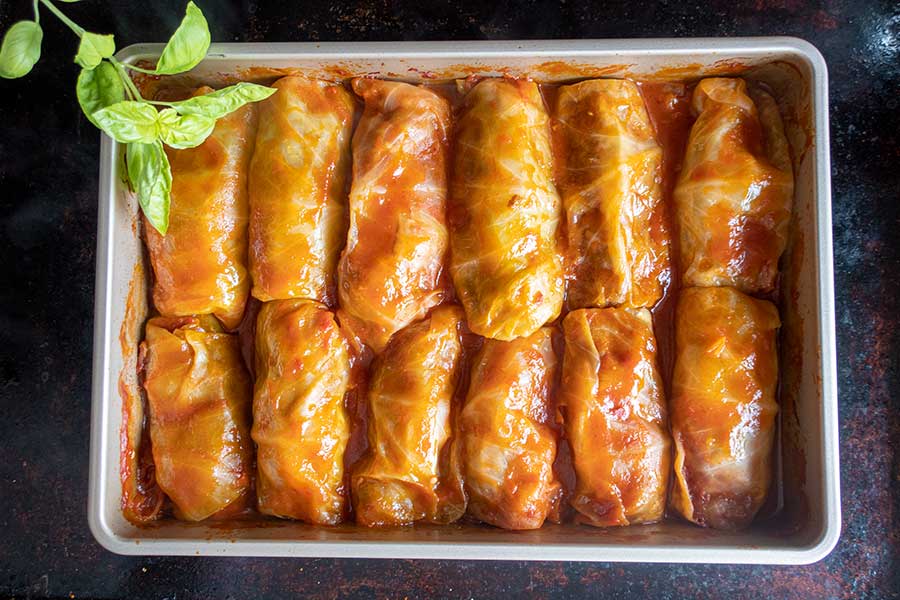
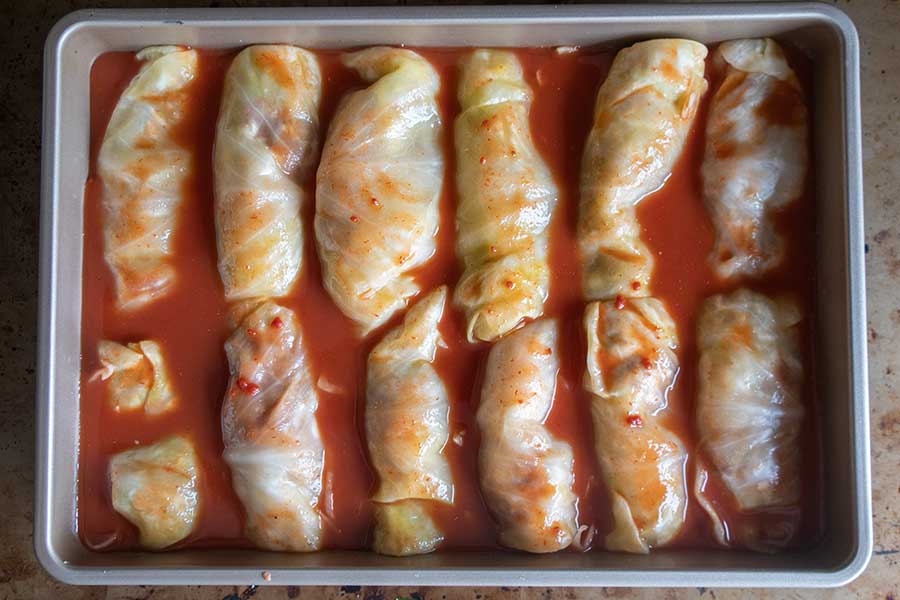
baked Hungarian Cabbage Rolls with light tomato sauce in a baking pan

Key Ingredients and Substitutions

  • Fermented cabbage leaves: The traditional choice for Hungarian cabbage rolls. They add a pleasantly sour, savory flavor to the rolls and the tomato sauce. Green cabbage or Savoy cabbage can be used instead.
  • Ground beef, pork and veal: This classic combination creates a rich, flavorful and tender filling. You can use all beef, beef and pork, ground turkey, chicken, or another combination of ground meats.
  • Rice: Helps keep the meat filling tender and moist as the rolls braise. Quinoa can be used instead, although it will slightly change the texture.
  • Onion and garlic: Add savory depth and flavor to the filling.
  • Egg: Helps bind the filling together so the rolls hold their shape during cooking.
  • Tomato paste: Adds richness and concentrated tomato flavor to the filling and braising sauce. For vegan cabbage rolls, you can add a little more seasoning, such as minced garlic, oregano and basil. Use gluten-free vegetable or homemade mushroom broth in place of water if desired.
  • Herbs and spices: Keep the traditional filling simply seasoned, allowing the fermented cabbage and meat to shine. Parsley, thyme, oregano or basil can be added for extra freshness.
  • Vegetables: For a meat-and-vegetable version, replace up to half of the meat with finely grated mushrooms, carrots and zucchini.
  • Vegan filling: For a plant-based version, use the sweet potato and chickpea filling (recipe below), and choose green or Savoy cabbage for a milder flavor.

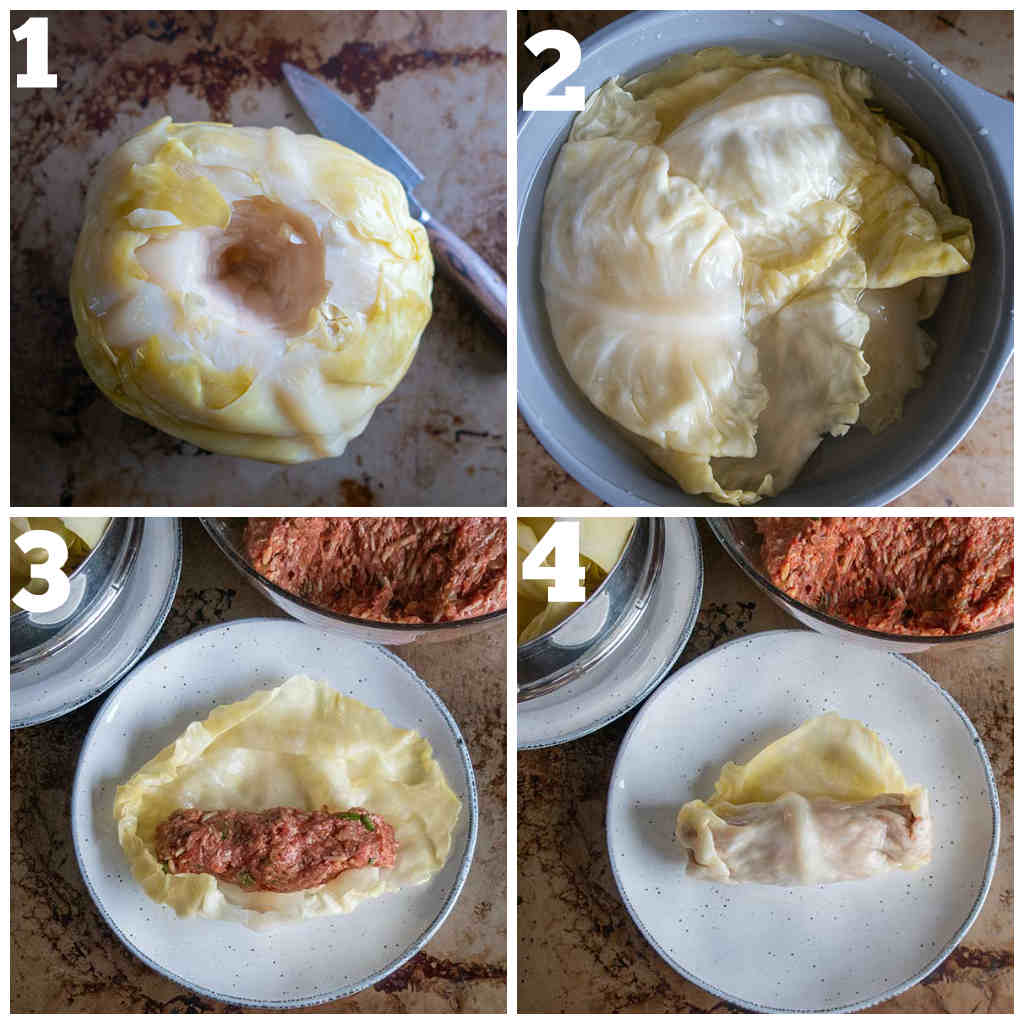
4 steps showing how to prepare cabbage, soaking leaves in water, adding meat filling, & rolling into rolls

Keep the tomato sauce simple

One of the secrets to these Hungarian cabbage rolls is not overcomplicating the sauce. Fermented cabbage has plenty of character.

As the rolls cook, its flavor combines with the tomato sauce and the juices released by the meat. There is no need to add a long list of spices. For the traditional meat version, a simple tomato-based sauce is all you need.

Make-Ahead

Cabbage rolls can be assembled a day ahead and refrigerated until ready to cook. They can also be cooked in advance and gently reheated. In fact, they taste even better the next day as the flavors have time to develop.

overview of beef cabbage rolls in a light tomato sauce layered in a baking pan before baking

Vegan Gluten-Free Filling for Cabbage Rolls

  • 4 cups mashed sweet potato, about 1 1/2 pounds
  • 1 (400 ml) can of chickpeas (garbanzo beans) with liquid
  • 1/4 cup coconut flour
  • 1/4 cup roughly chopped parsley
  • 1 Tbsp. Sesame oil or extra virgin olive oil
  • 2 garlic cloves, minced
  • 1 Tbsp. Ground flaxseed
  • 1 Tbsp. Fresh lemon juice
  • 1 tsp. Pure sea salt
  • 1/2 tsp. GF ground black pepper
  • 1/2 tsp. GF ground cumin
  • 1/4 tsp. GF ground nutmeg

Place everything in a food processor and blend until smooth. Refrigerate for 30 minutes before filling the cabbage leaves. 

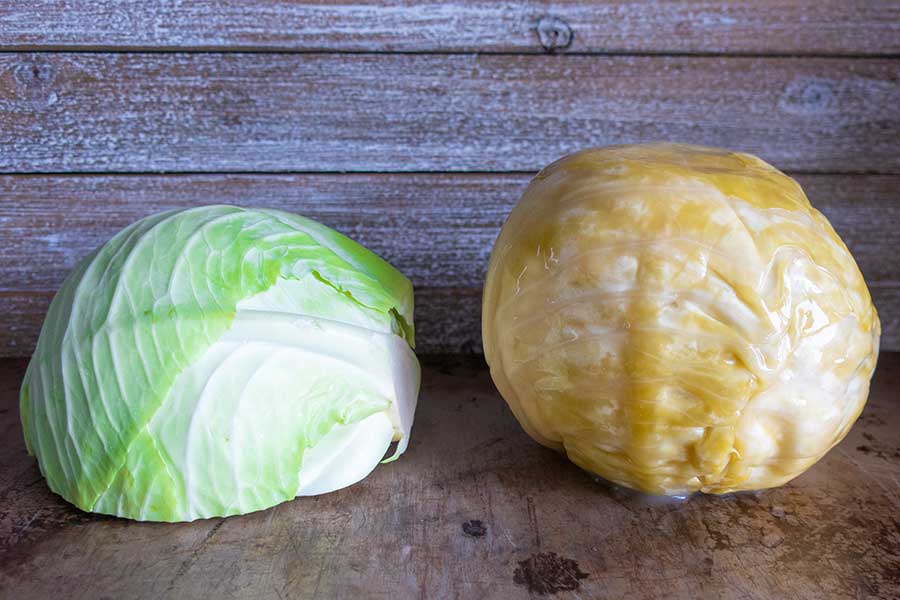
showing half a green cabbage vs whole sour cabbage

Tips for the Best Hungarian Cabbage Rolls

  • Use fermented cabbage when possible: It gives the rolls their distinctive tangy flavor and seasons the tomato sauce as they braise.
  • Don’t overfill the leaves: Rice expands as it cooks, so leave a little room in each cabbage roll.
  • Keep the sauce simple: The fermented cabbage and meat filling provide plenty of flavor as they cook.
  • Braise slowly: Gentle cooking gives the cabbage time to become tender and allows the flavors to develop.
  • Trim thick cabbage ribs: If the center rib is tough or thick, trim it slightly so the leaves are easier to roll.
  • Let them rest: A short rest before serving allows the sauce and filling to settle.

Cooked 2 Hungarian Cabbage Rolls placed on sweet potato mash, topped with light tomato sauce and fresh herbs on the side

Serving Suggestions

Serve warm with plenty of tomato sauce and a spoonful of sour cream. They pair well with mashed potatoes, crusty gluten-free bread, or a simple vegetable side such as acorn squash and sweet potato mash.

Why not start your dinner with Hungarian Goulash and make it a Hungarian night.

Frequently Asked Questions

Can I use fresh cabbage instead of fermented cabbage?

Yes. Green, or savoy cabbage can be used, or chard instead. Blanch the leaves until softened and flexible enough to roll. The flavor will be milder than when using fermented cabbage.

Check out my Baked Stuffed Chard Rolls recipe, made with ground beef, potatoes, onions, and green peas. 

Are Hungarian cabbage rolls gluten-free?

This recipe is naturally gluten-free, however always double check ingredients such as broth, tomato products and fermented cabbage for gluten-containing additives.

Why did my cabbage rolls fall apart?

The leaves may have been overfilled or not softened enough before rolling. Make sure the cabbage leaves are flexible and don’t pack the filling too tightly, as the rice expands during cooking.

Storing Cabbage Rolls

  • Refrigerate: Store cooked cabbage rolls with their sauce in an airtight container for up to 5 days.
  • Freeze: Cool completely, then freeze the cabbage rolls with their sauce in a freezer-safe container.
  • Reheat: Thaw overnight in the refrigerator and reheat gently on the stovetop or in the oven until heated through.

Hi, I’m Kristina, a gluten-free recipe developer creating and testing recipes since 2012. Every recipe on this site is made in my kitchen and personally tested (with the help of my very honest family!).

Did you make this recipe? I’d love to hear how it turned out! Leave a ⭐⭐⭐⭐⭐ rating and a quick review below, it helps other gluten-free cooks discover recipes they can trust.

Looking for more gluten-free inspiration? Subscribe to the newsletter for new recipes delivered straight to your inbox — no spam, just good food. You can join our community on Pinterest, Facebook, and Instagram.

Nutrition Info

  • Per 1 cabbage roll: Calories: ~195 kcal | Protein: ~12 g | Total fat: ~10 g | Saturated fat: ~3 g | Carbohydrates: ~17 g | Fiber: ~3 g | Total sugars: ~5 g | Sodium: ~700–900 mg | These are estimates because the exact nutrition depends heavily on the size of the cabbage head, the fat percentage of the meats, the type/amount of sweetener, and how much of the sauce is served.
Add a Rating

Select a recipe rating

Leave a Comment

Comments

  1. Leslie

    These cabbage rolls turned out so good! Thank you and I love the idea of using sour cabbage so much more flavourful!